Cold Pressed Oil
Cold Press vs Expeller Press: Which Suits Your Oil Business?
3 min read
"Cold pressed" has become one of the most recognised words on an oil label. For a producer, the choice between cold pressing and conventional expeller pressing affects your machinery, your yield, your product and the customers you sell to.
Here is how the two approaches compare in practice.
What Cold Pressing Means
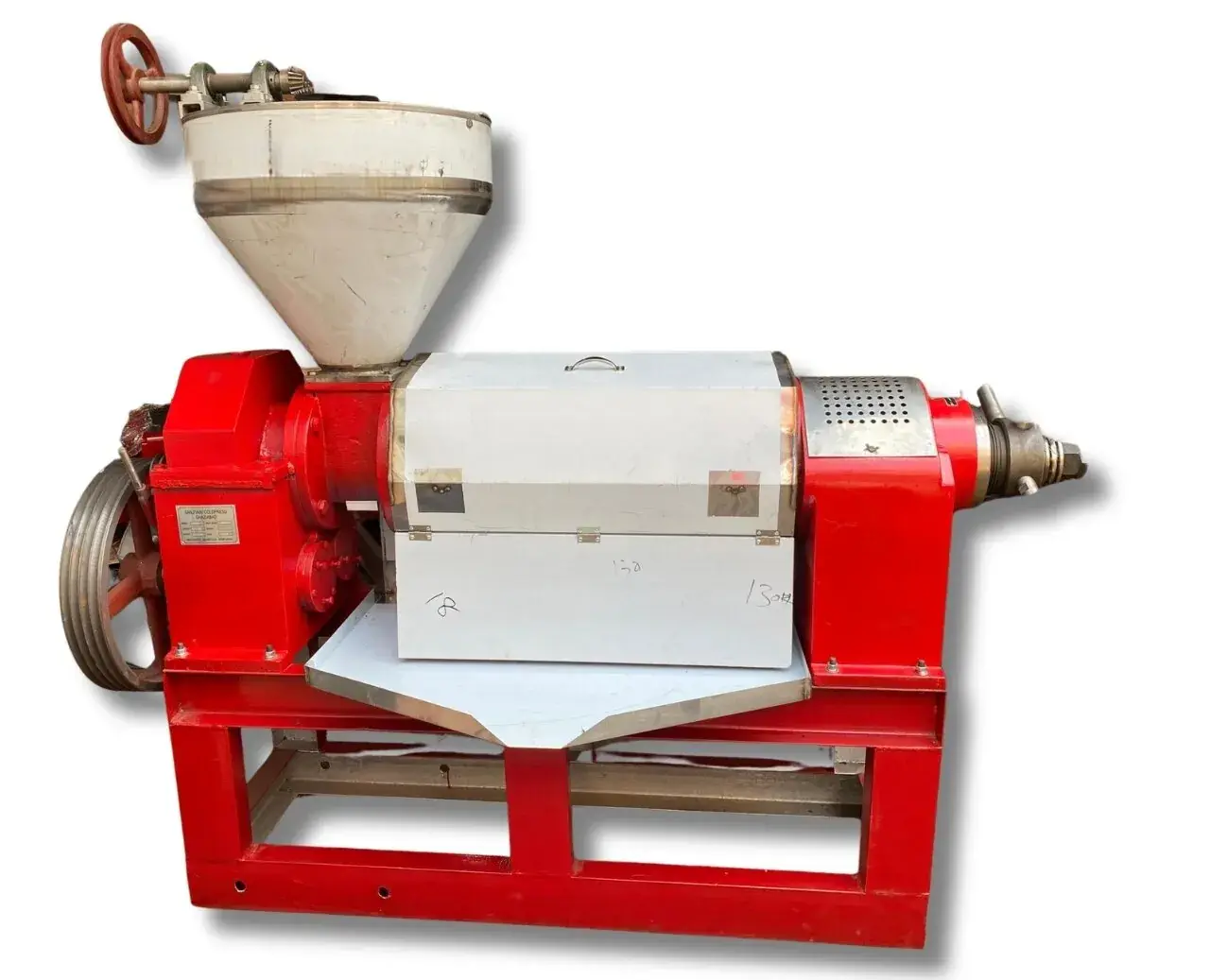
Cold pressing extracts oil at low temperatures, usually with a screw press designed to limit the heat generated during pressing. Keeping the temperature down helps the oil retain its natural colour, aroma and flavour.
There is no single worldwide legal definition, but the threshold most often quoted is that the oil stays below about 49–50°C (120°F) during extraction. If you plan to label your oil as cold pressed, check the current FSSAI labelling requirements and keep a record of your pressing temperatures.
Cold pressed oils are often sold as premium products to health-conscious households and speciality food brands.
What Conventional Expeller Pressing Means
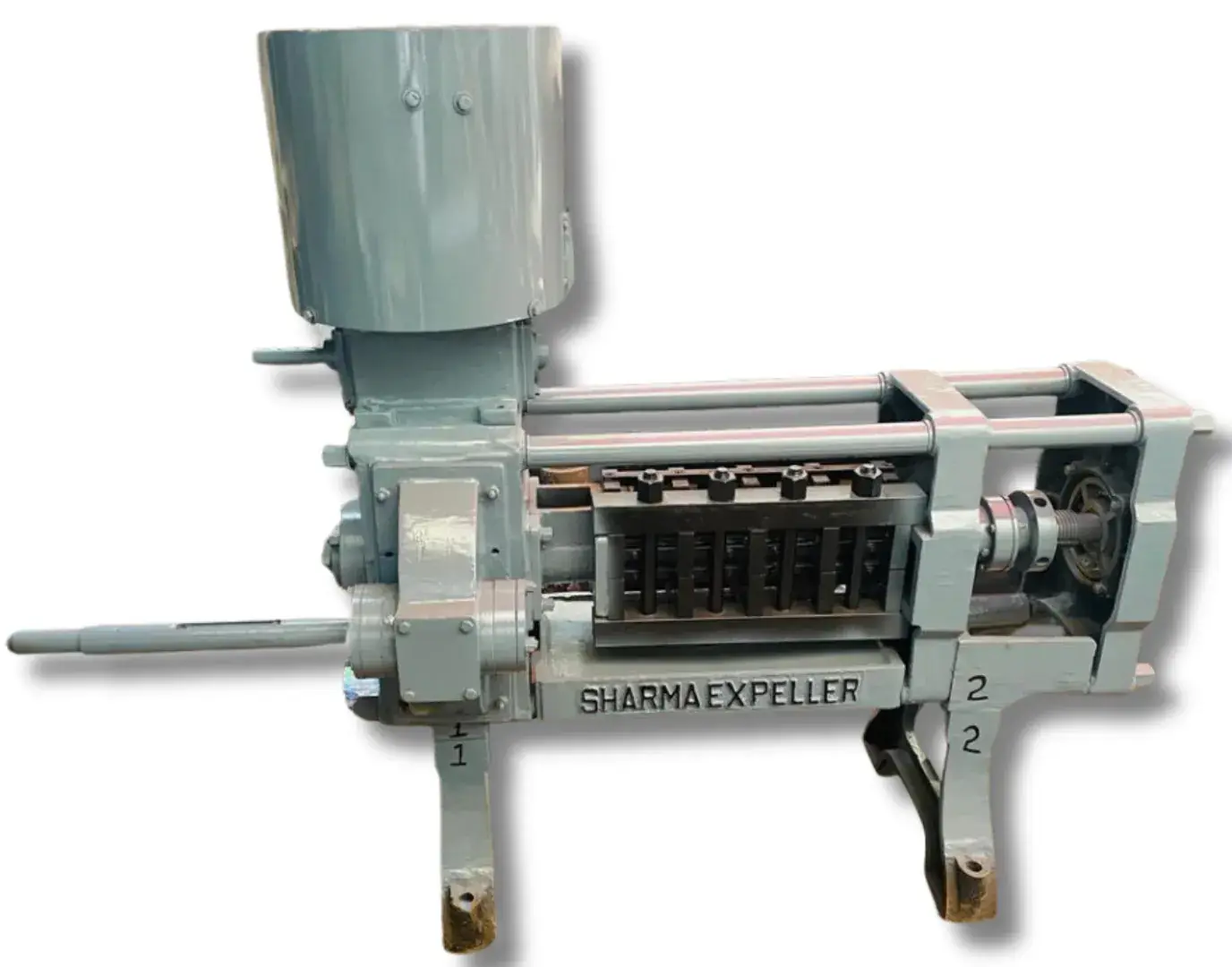
A conventional oil expeller applies higher pressure, and the friction inside the press cage raises the temperature of the seed. This generally recovers more oil from each kilogram of seed and handles a wide range of seeds at higher volumes.
Expeller-pressed oils are widely used in everyday cooking and supply larger markets. A well-set full-press expeller typically leaves around 6–12% oil in the cake, while a gentler cold press usually leaves more, which is why cold pressed oil costs more to produce per litre.
Comparing the Two
| Cold Press | Conventional Expeller | |
|---|---|---|
| Pressing temperature | Low | Higher |
| Flavour and aroma | Closer to the raw seed | Milder |
| Oil recovery | Lower | Higher |
| Typical market | Premium, speciality | Everyday, high volume |
| Typical machine | Screw press | Oil expeller |
Which One Suits Your Business?
Choose cold pressing if you are building a premium brand, selling directly to customers who value natural processing, or producing speciality oils in smaller batches.
Choose expeller pressing if you are supplying volume markets, processing hard or varied seeds, or need the highest recovery from your raw material.
Many businesses run both: a cold press line for premium packs and an expeller line for bulk supply.
A Note on Kachi Ghani Mustard Oil
In India, "kachi ghani" is a recognised label for mustard oil, and it comes with a standard. Under FSSAI rules, mustard oil can be labelled kachi ghani when its natural pungency, measured as allyl isothiocyanate, is in the range of 0.25–0.60%. Pressing gently, without overheating the seed, helps keep that pungency in the oil.
Filtration Matters for Both
Whichever method you use, freshly pressed oil contains fine particles that must be removed. A filter press with the right filter cloth gives clear, stable oil that keeps well on the shelf.
Talk to Us
Varsha makes screw press and cold press machines from 7.5 HP to 20 HP, oil expellers from 4-bolt to 9-bolt, and the filter presses and filter cloth to complete either line. Tell us about your seeds and your market, and we will help you plan the right setup.
Figures in this guide are typical ranges drawn from agricultural research and extension guidance. Actual results vary with seed variety, preparation and machine settings.
Back to All Insights