Oil Quality
Cotton, Polyester or Polypropylene: Choosing Filter Cloth for Oil
3 min read
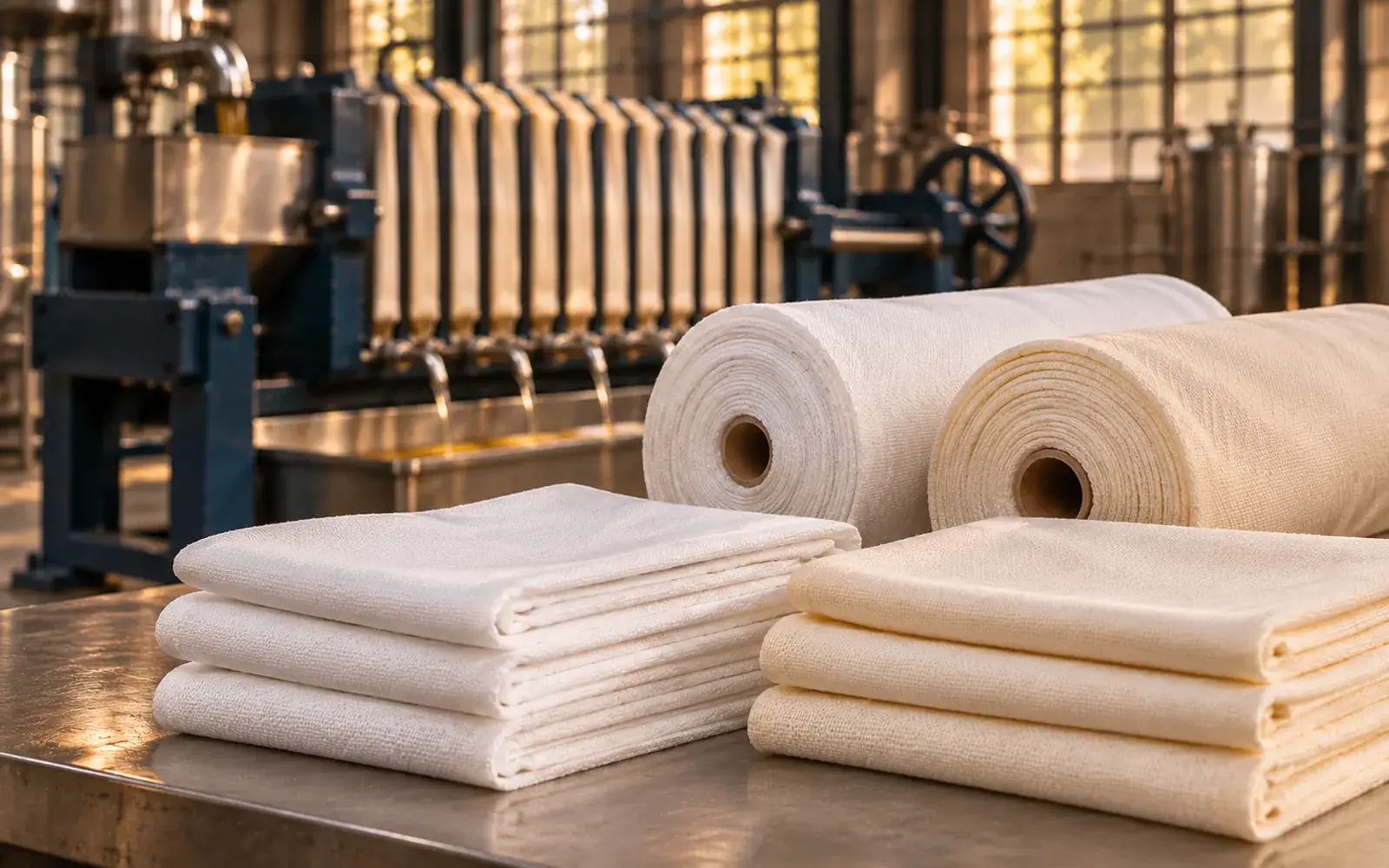
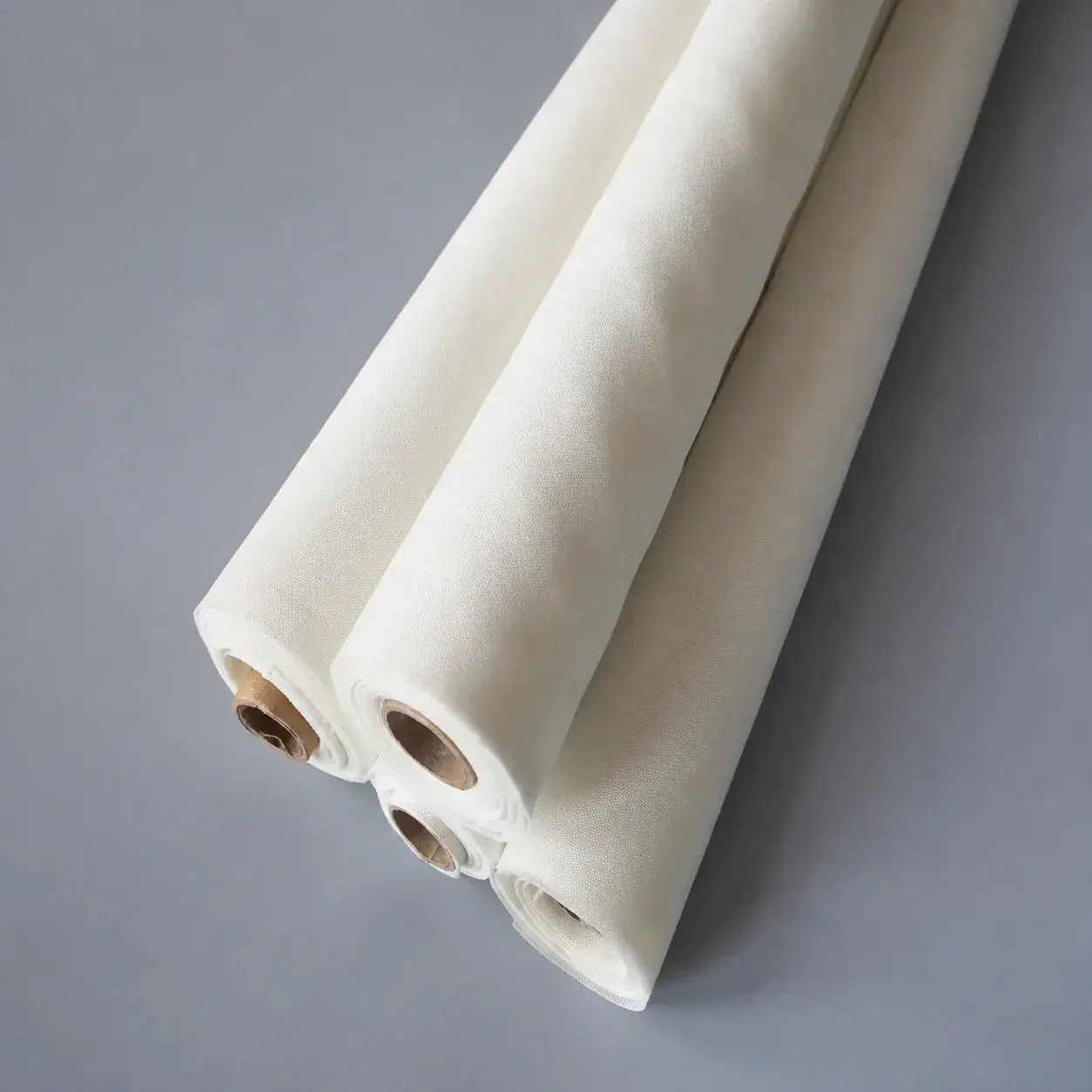
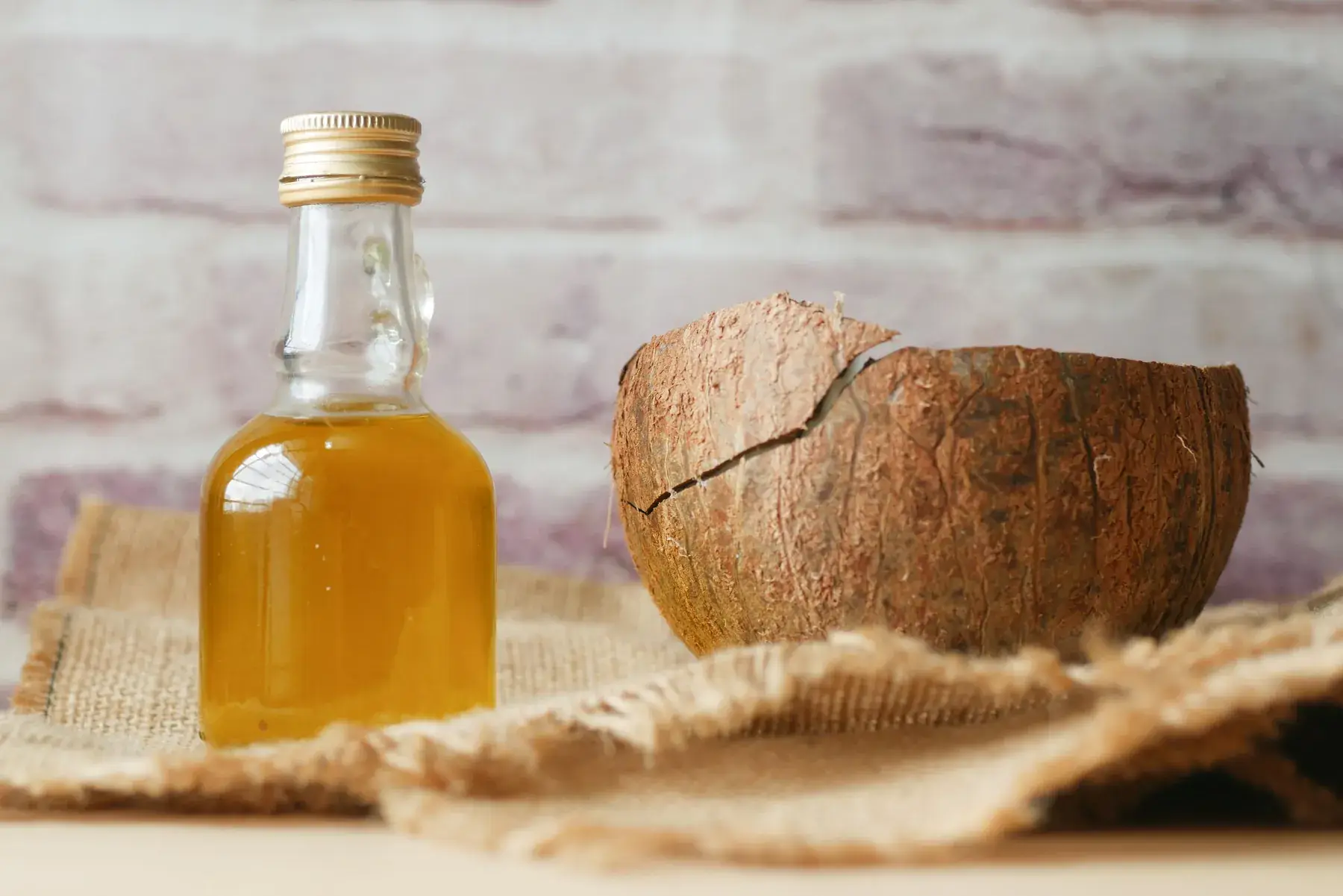
Filter cloth is a small part of an oil plant, but it decides how clear your oil is, how quickly your filter press works and how often you stop to clean it. Choosing the right fabric for your oil makes a visible difference to the final product.
What Filter Cloth Does
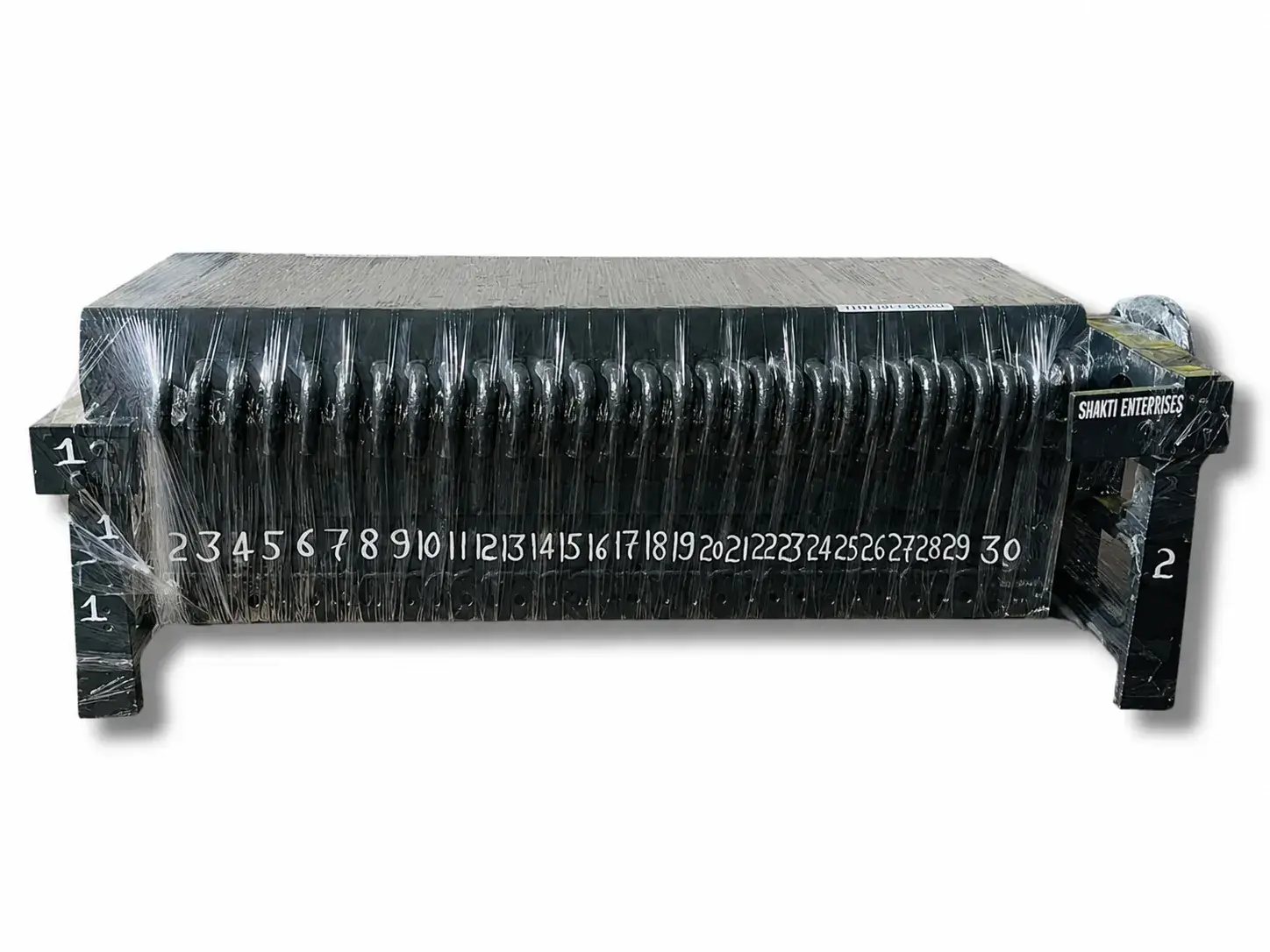
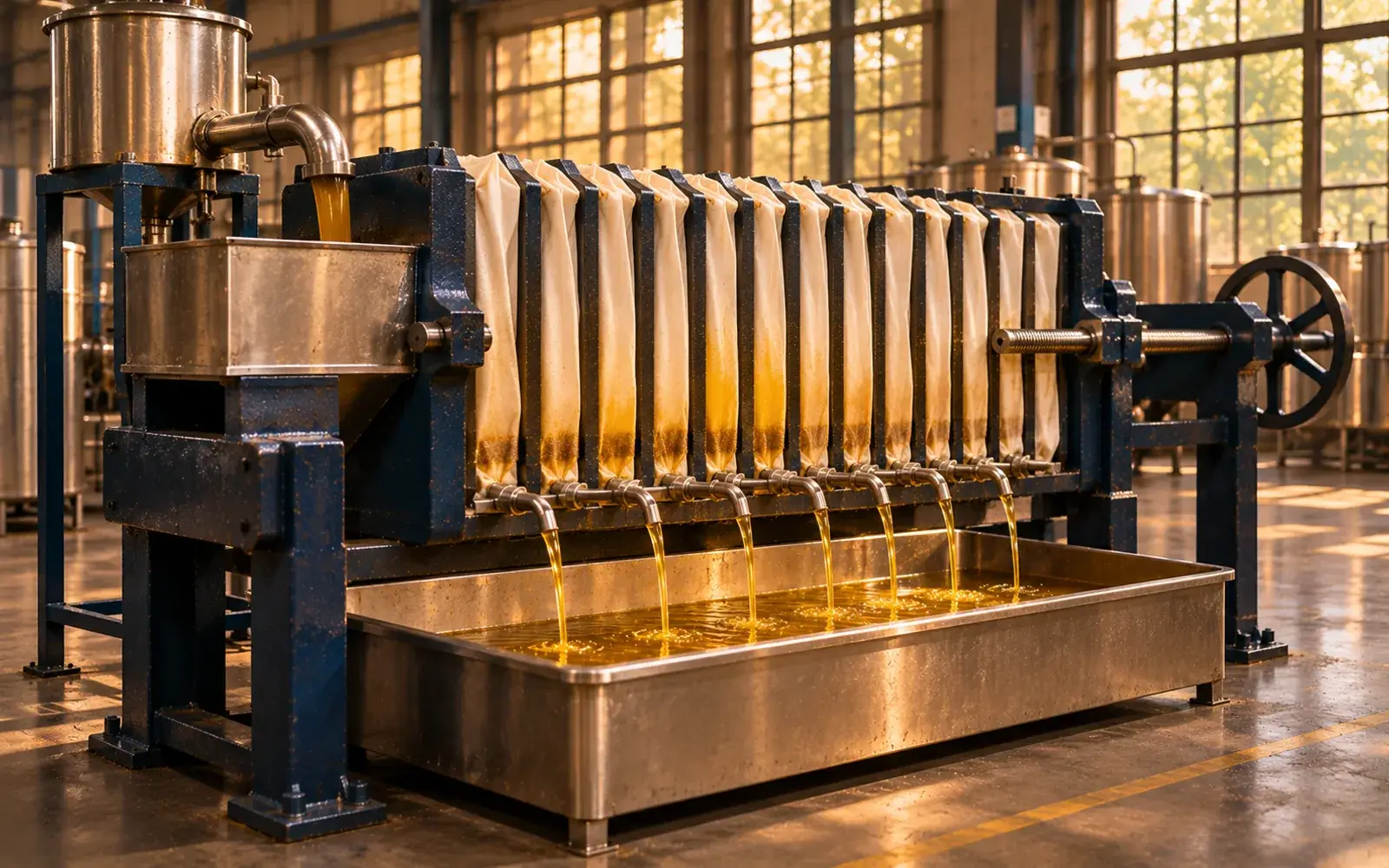
In a plate-and-frame filter press, the cloth sits between the plates. As oil is pumped through, the cloth holds back seed particles and other solids while clear oil passes through. A layer of filter cake builds up on the cloth and, over time, becomes part of the filtering itself.
The Main Types of Filter Cloth
Cotton
Cotton cloth is the traditional choice for edible oil. It absorbs well, gives very clear oil and is widely used for groundnut, mustard and sesame oil. Heavier cotton, such as 950 GSM, suits thicker unfiltered oils and cottonseed oil.
Polyester
Polyester is strong and keeps its shape well under pressure. It handles higher temperatures and is often chosen for non-edible oils and industrial filtration.
PCM (Polyester and Cotton Mix)
A blend of polyester and cotton combines cotton's absorbency with polyester's strength. It is a good all-round choice for plants that process several different seeds.
Polypropylene
Polypropylene resists chemicals and acids well. It suits industrial, non-edible and high-acid oils.
How to Choose
| If You Process… | Consider |
|---|---|
| Edible oils such as groundnut or mustard | Cotton 850 GSM |
| Thick, unfiltered oils or cottonseed oil | Cotton 950 GSM |
| Many different seeds | PCM blend |
| Non-edible or industrial oils | Polyester |
| High-acid or chemically demanding oils | Polypropylene |
Mind the Temperature
Oil often reaches the filter press warm, and warm oil filters faster because it flows more easily. Each fabric has a working temperature limit, and published ratings vary between makers, so treat these as rough guides:
| Fabric | Typical Maximum Working Temperature |
|---|---|
| Cotton | about 85–90°C |
| Polypropylene | about 90°C |
| Polyester | about 130–150°C |
Running a cloth hotter than its rating makes it stiffen, shrink or break down early.
Getting the Size Right
Filter cloth must match your filter press plate size exactly. A cloth that is too small leaks at the edges; one that is too large folds and wears unevenly. Always order cloth to your plate size.
Looking After Filter Cloth
- Wash cloths regularly to keep oil flowing freely
- Replace cloths that are torn, stiff or permanently blocked
- Keep a spare set ready so cleaning does not stop production
- Dry washed cloths fully before storing, so they do not develop mould or odours
Order the Right Cloth
Varsha supplies cotton, polyester, PCM and polypropylene filter cloth in all sizes from 8 × 8 to 30 × 30. Tell us your oil and your plate size, and we will recommend the right fabric.
Figures in this guide are typical ranges from published equipment data and industry guidance. Always check the rating of the specific product you buy.
Back to All Insights