Machinery Guide
How to Choose the Right Filter Press Size for Your Plant
3 min read
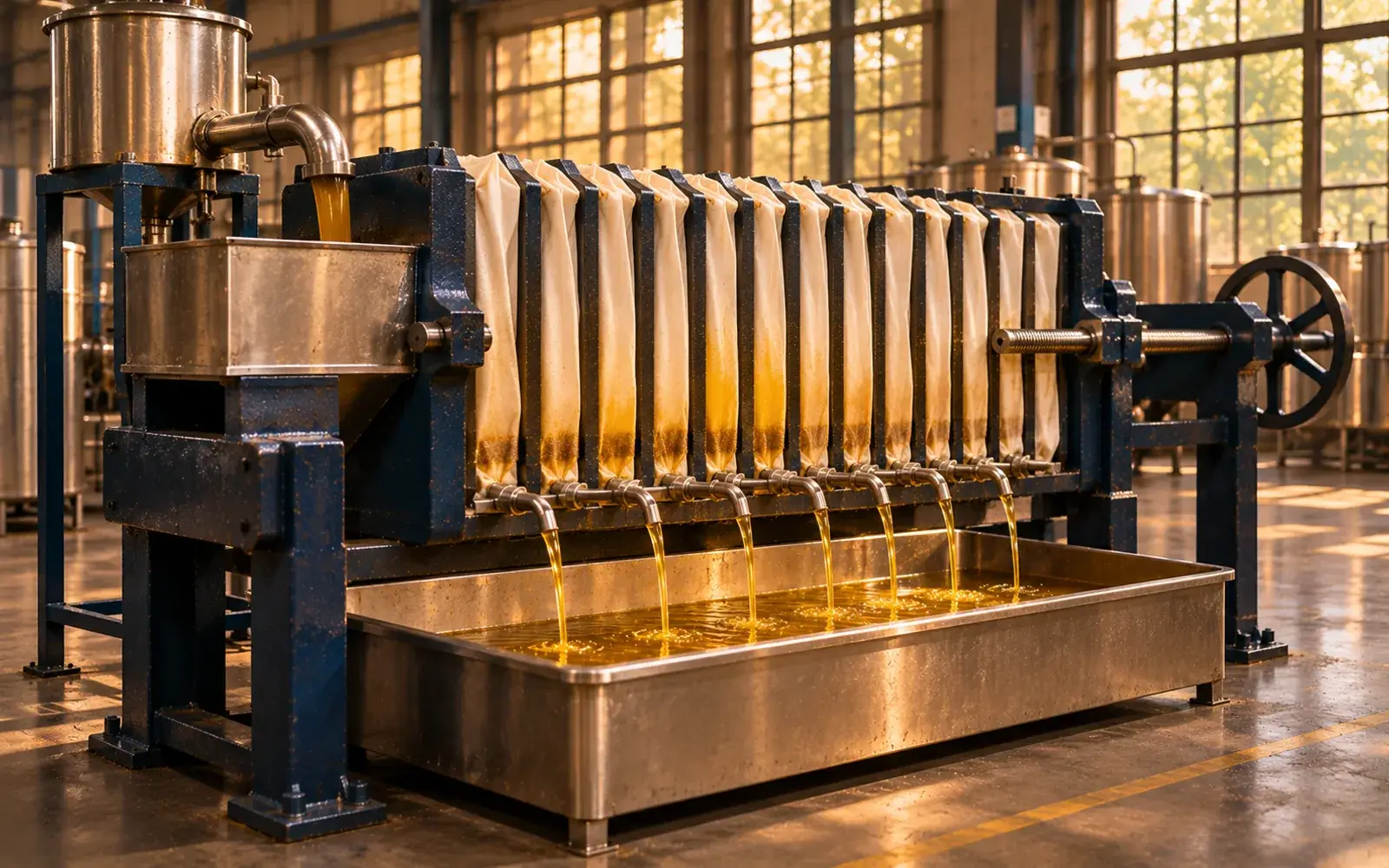
A filter press turns cloudy, freshly pressed oil into clear oil that is ready to pack. Choose one that is too small and it becomes the slowest step in your plant. Choose one that is too large and you pay for capacity you never use.
Here is how to size a filter press for your mill.
How a Plate-and-Frame Filter Press Works
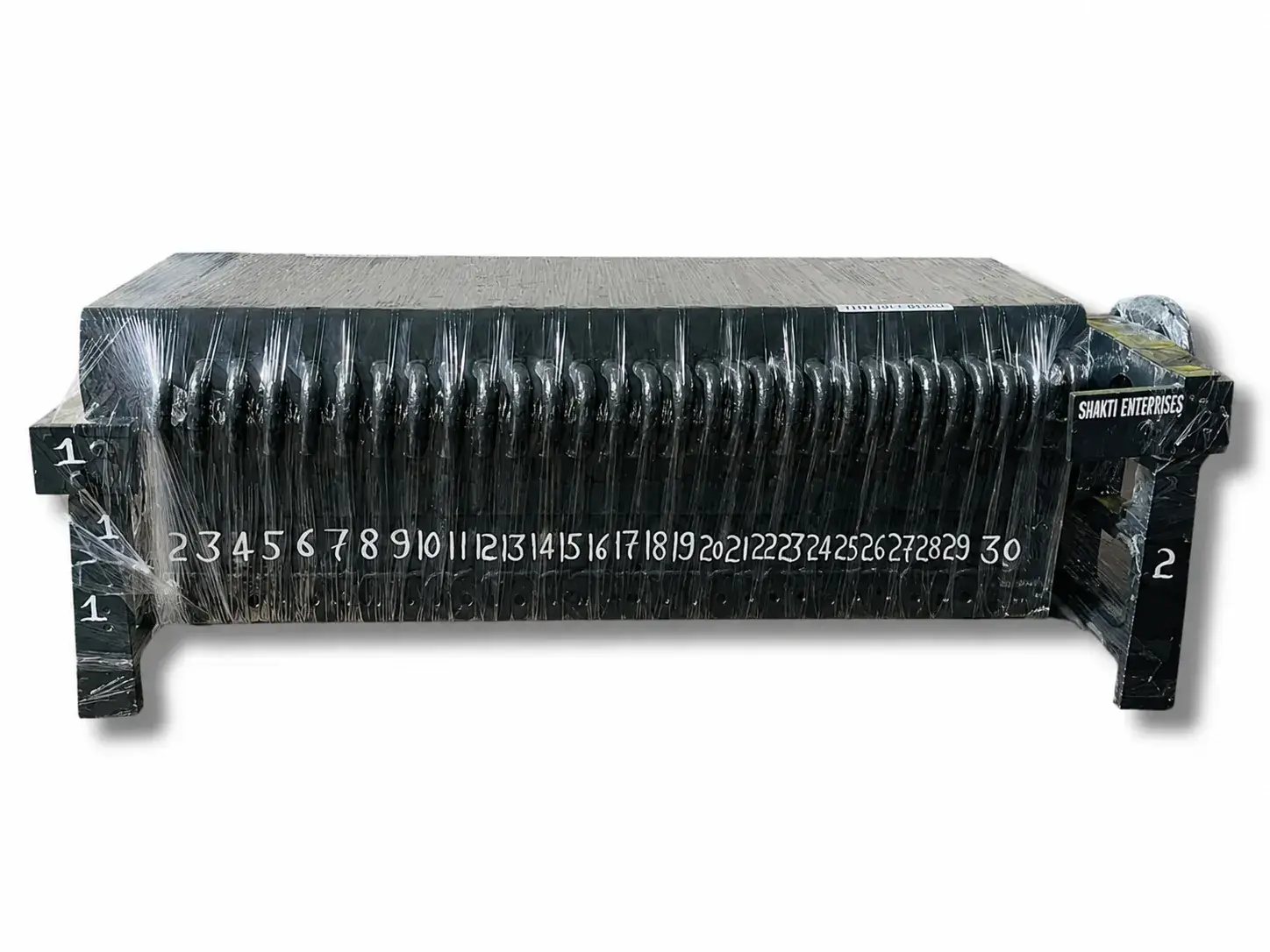
A plate-and-frame filter press holds a stack of plates with filter cloth between them. Oil is pumped in under pressure, the cloth traps solid particles, and clear oil flows out through the outlets. Over time, a layer of filter cake builds up on the cloth and the press is opened for cleaning.
Plate Size and Number of Plates
Two numbers describe a filter press: the plate size, such as 16 × 16 or 24 × 24 inches, and the number of plates. Together they set the total filtration area.
- Larger plates give more area per plate and suit higher volumes.
- More plates add area without changing the footprint much.
More filtration area means the press can handle more oil before it needs cleaning.
Match the Press to Your Expeller Output
Start with the volume of oil your expellers produce in an hour, then choose a press with enough filtration area to keep up comfortably. It is sensible to allow extra capacity, so the press does not have to be cleaned in the middle of a busy shift.
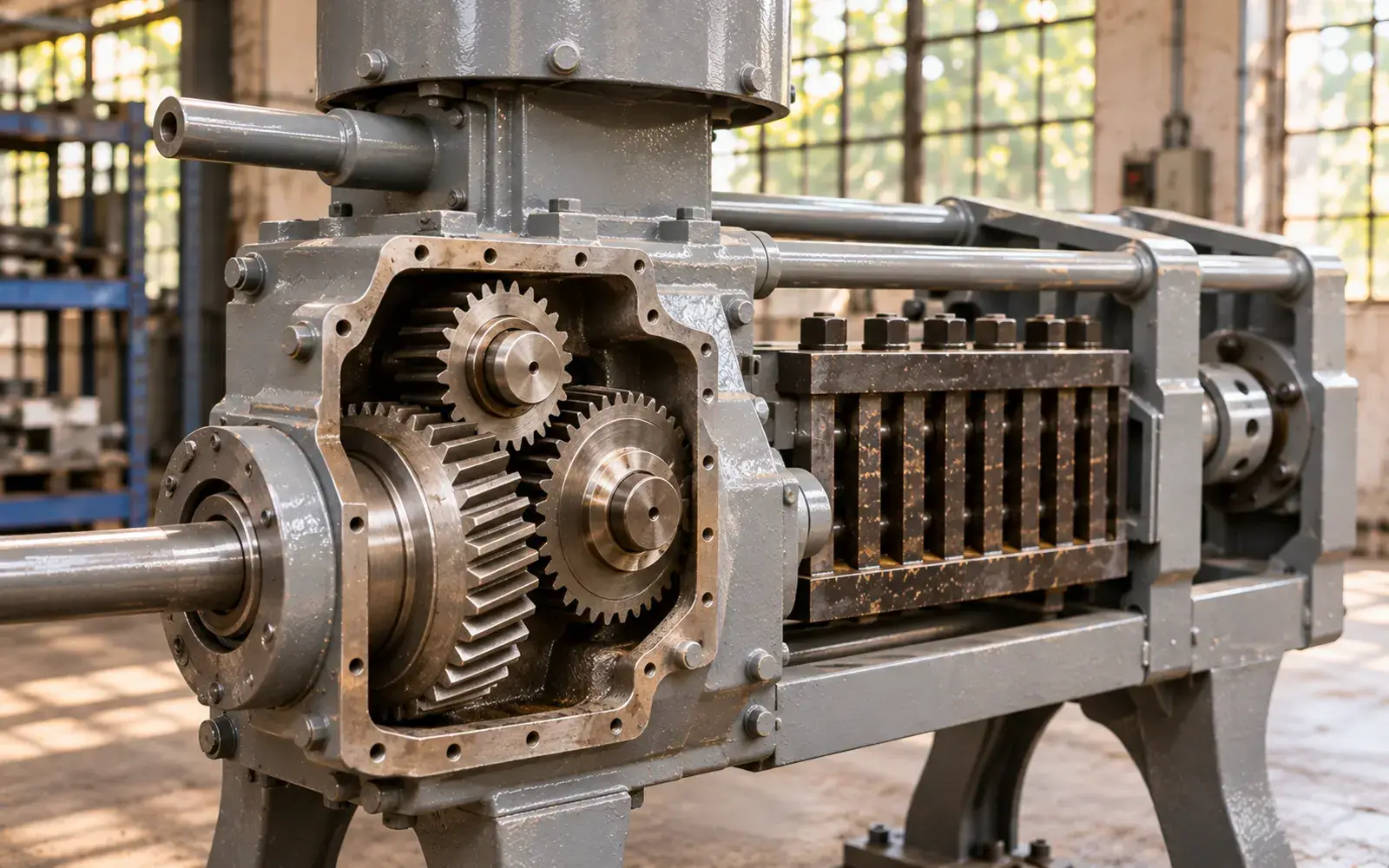
As a rough guide, small units with one or two compact expellers often work well with the smaller plate sizes, while large plants running several 9-bolt expellers need the larger sizes.
Consider the Oil You Filter
Thicker oils and oils with more suspended solids build up cake faster. If you process thick oils or cottonseed oil, choose more filtration area than you would for a light, clean oil.
Temperature matters too. Warm oil is thinner and passes through the cloth faster than cold oil, so many mills filter oil while it is still warm from the press. Make sure the filter cloth you choose is rated for that temperature: cotton and polypropylene are typically rated to around 85–90°C, polyester higher.
Body Material
Filter presses are commonly built in cast iron or mild steel. Both are durable; the right choice depends on your oil, your budget and your plant conditions.
Do Not Forget the Filter Cloth
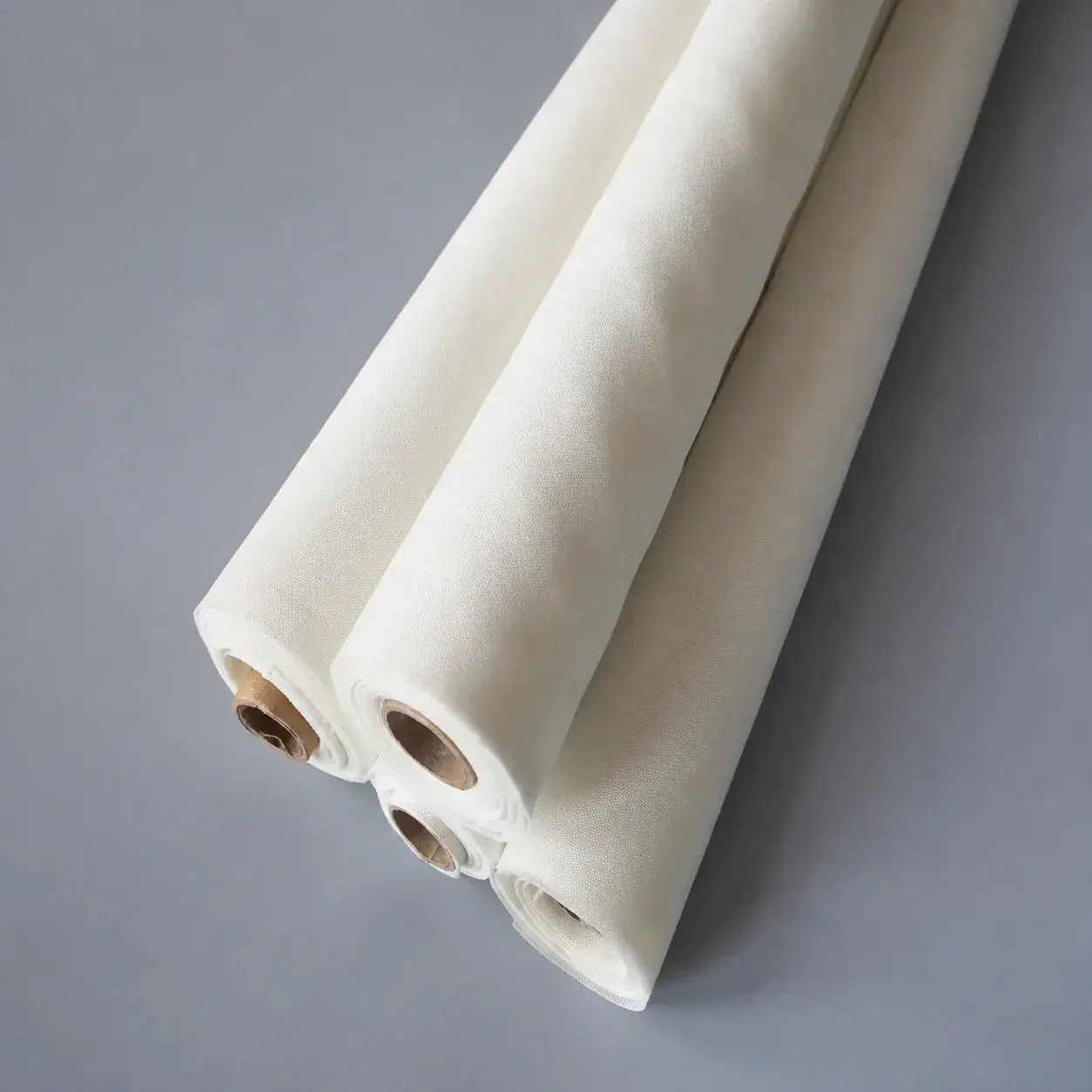
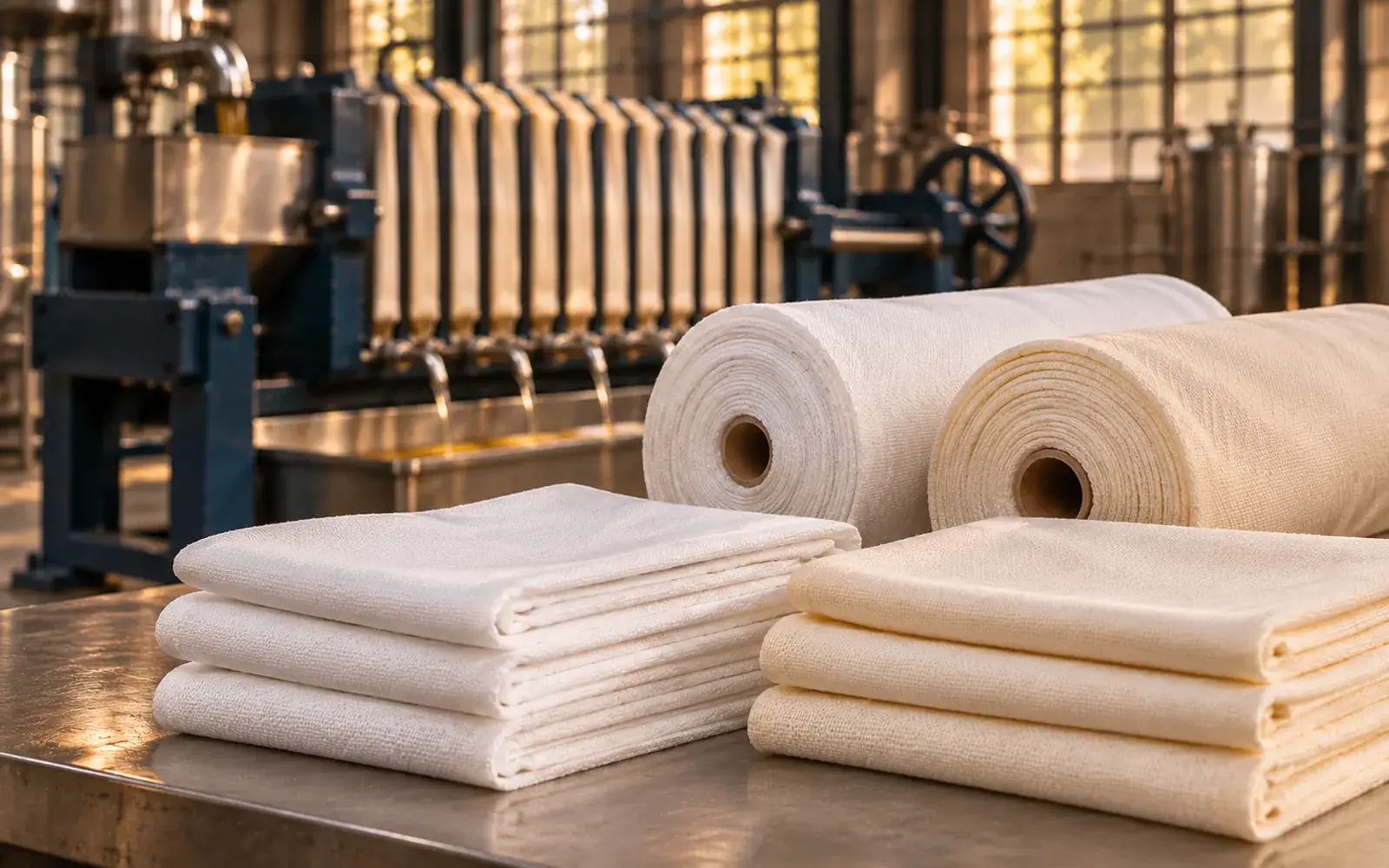
The best press will not filter well with the wrong cloth. Cotton, polyester, PCM blends and polypropylene each suit different oils and temperatures. Choose the cloth together with the press.
Get the Right Size
Varsha builds plate-and-frame filter presses from 8 × 8 to 30 × 30, and supplies filter cloth to match. Share your expeller output and oil type, and our team will recommend a size.
Figures in this guide are typical ranges from published equipment data and industry guidance. Always check the rating of the specific product you buy.
Back to All Insights