Machinery Guide
Single Gear, Double Gear or Reduction Gear: Choosing Your Oil Expeller Drive
4 min read
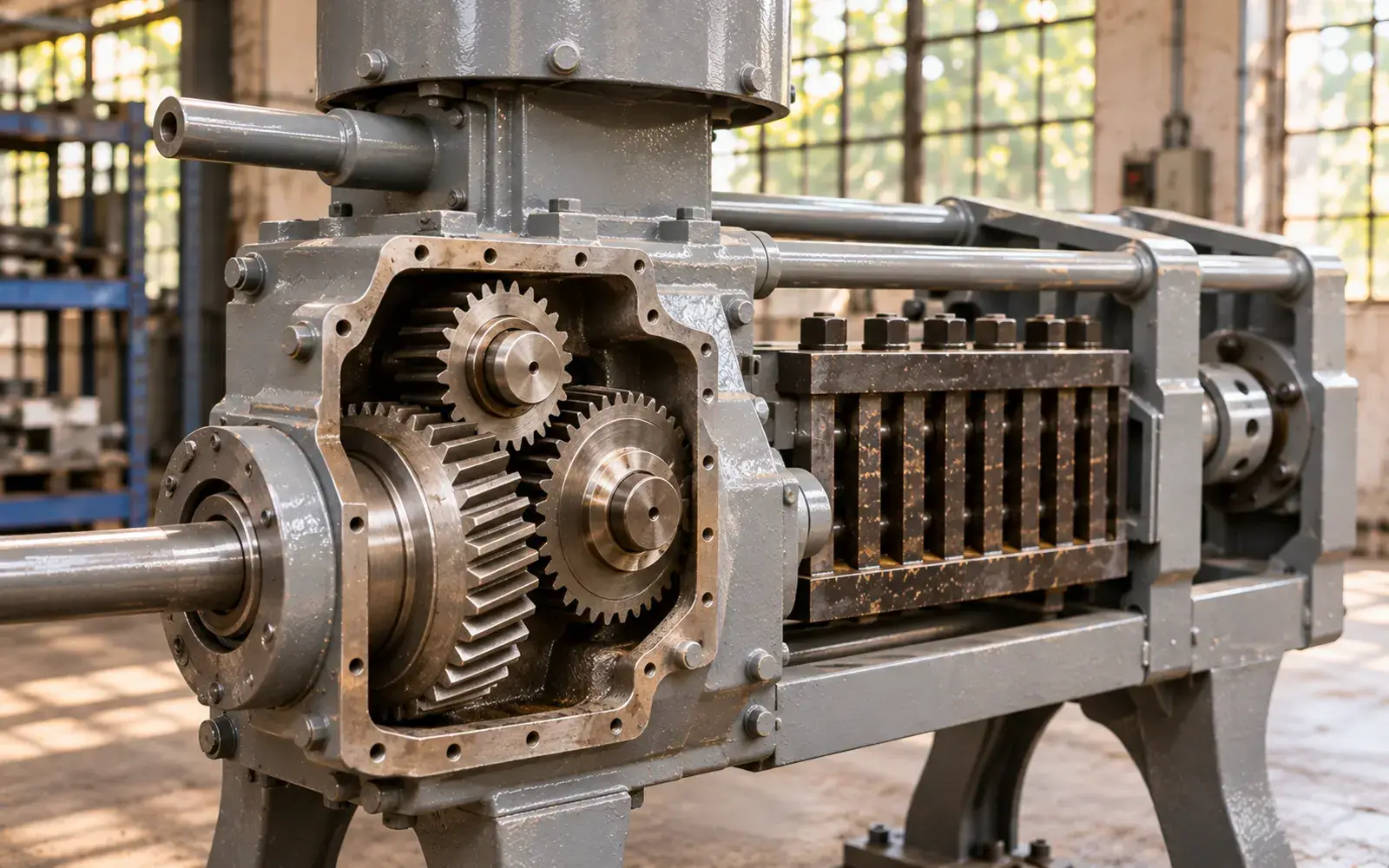
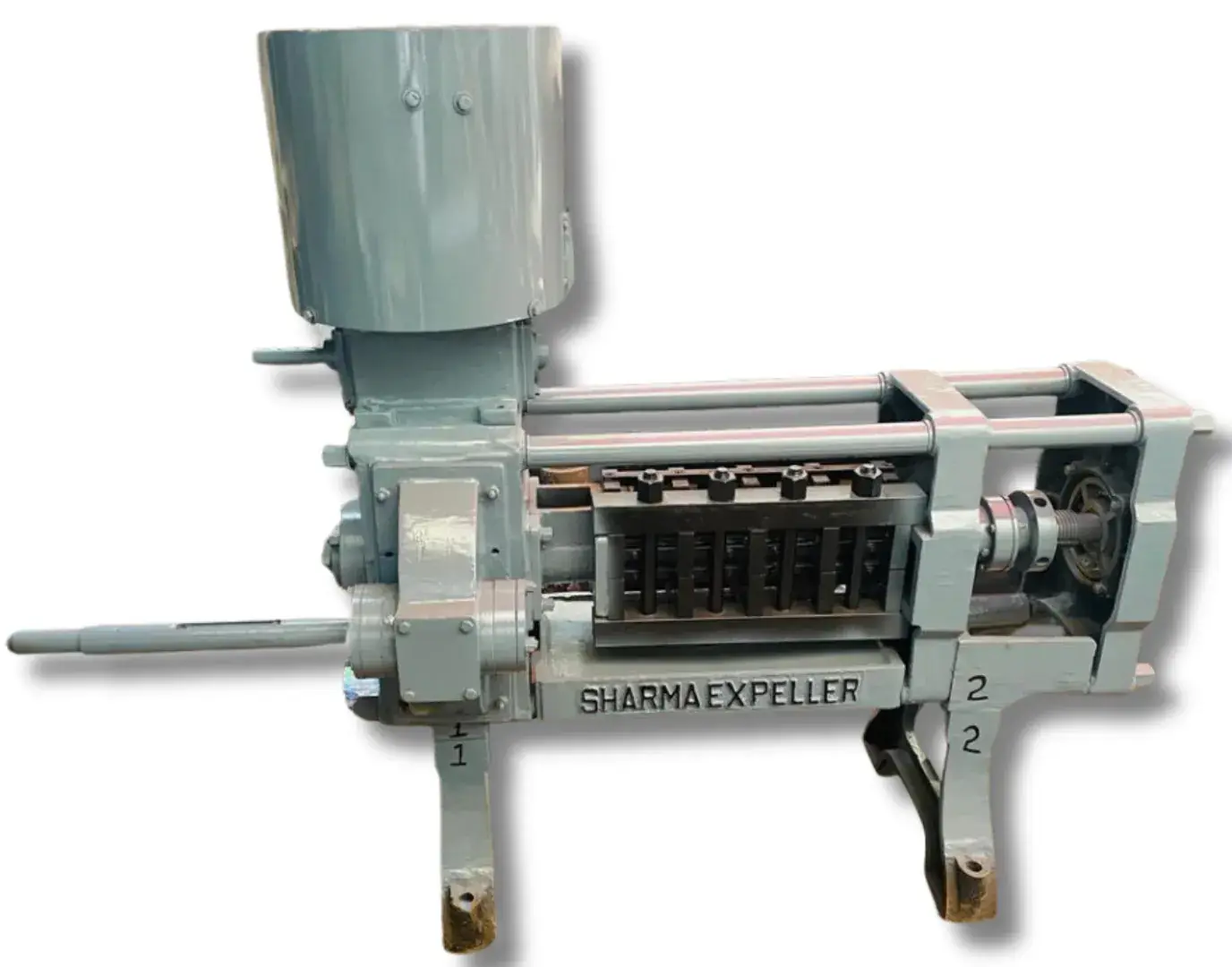
One of the first decisions a buyer faces when choosing an oil expeller is the drive: single gear, double gear or reduction gear. All three press oil in the same basic way, but the gearing changes how much torque reaches the worm shaft, how the machine handles hard seeds, and how it behaves over long shifts.
Understanding the difference helps you buy a machine that suits your seeds and your workload, instead of one that is either underpowered or more than you need.
How the Gear Drive Works
In a mechanical oil expeller, the motor turns a pulley, and the gearbox reduces that speed before it reaches the worm shaft inside the press cage. The slower the shaft turns, the more torque it can apply to the seed.
- Single gear machines use one stage of gearing. They are simpler, lighter and easier to maintain.
- Double gear machines add a second stage, which lowers shaft speed further and increases torque.
- Reduction gear machines use an enclosed reduction gearbox for smooth, controlled shaft speed in continuous commercial work.
When a Single Gear Expeller Makes Sense
Single gear expellers suit seeds that press easily and plants that run steady, moderate volumes. They are a practical choice for:
- Groundnut, mustard and sesame
- Small and medium mills starting out
- Operators who want straightforward maintenance
Because there are fewer moving parts, a single gear machine is often quicker to service and simpler for a new team to learn.
When to Choose Double Gear
Double gear expellers apply more pressure at the worm shaft, which matters when the seed resists pressing. They are usually preferred for:
- Cottonseed and other high-resistance seeds
- Plants that want higher sustained pressure through the shift
- Applications where a little extra recovery from hard seed is worth more torque
Cottonseed is a good example of why torque matters. It carries only about 15–25% oil and a lot of fibre and hull, so the press has to work harder to squeeze each kilogram than it does with oil-rich groundnut or sesame.
The trade-off is a slightly more involved gear train, so regular lubrication and inspection become more important.
Where Reduction Gear Fits
Reduction gear expellers are built for long, continuous runs where steady shaft speed matters. The enclosed gearbox runs smoothly and quietly, and it keeps speed consistent as load changes. They suit commercial plants running round-the-clock extraction.
At a Glance
| Single Gear | Double Gear | Reduction Gear | |
|---|---|---|---|
| Shaft torque | Standard | Higher | Steady and controlled |
| Best for | Groundnut, mustard, sesame | Cottonseed and hard seeds | Continuous commercial runs |
| Maintenance | Simplest | More gear parts to check | Enclosed gearbox, low noise |
| Typical user | Small and medium mills | Mills with tough seeds | Large plants, long shifts |
Questions to Ask Before You Buy
- Which seeds will you press most often, and how hard are they?
- How many hours a day will the machine run?
- What daily output do you need now, and in two to three years?
- Who will maintain the machine, and how quickly can you get spare parts?
Choosing with Confidence
There is no single best drive. The right choice depends on your raw material, your shift pattern and your growth plans. Compare models by bolt size, gear type, capacity and motor power, and match them to the seeds you actually process.
If you are unsure, share your seed type and daily capacity with the Varsha team. We will recommend the configuration that fits your plant, and every machine is tested before dispatch. You can also try the Expeller Finder for a quick first suggestion.
Figures in this guide are typical ranges drawn from agricultural research and extension guidance. Actual results vary with seed variety, preparation and machine settings.
Back to All Insights