Machinery Guide
How to Choose the Right Oil Expeller Capacity for Your Mill
4 min read
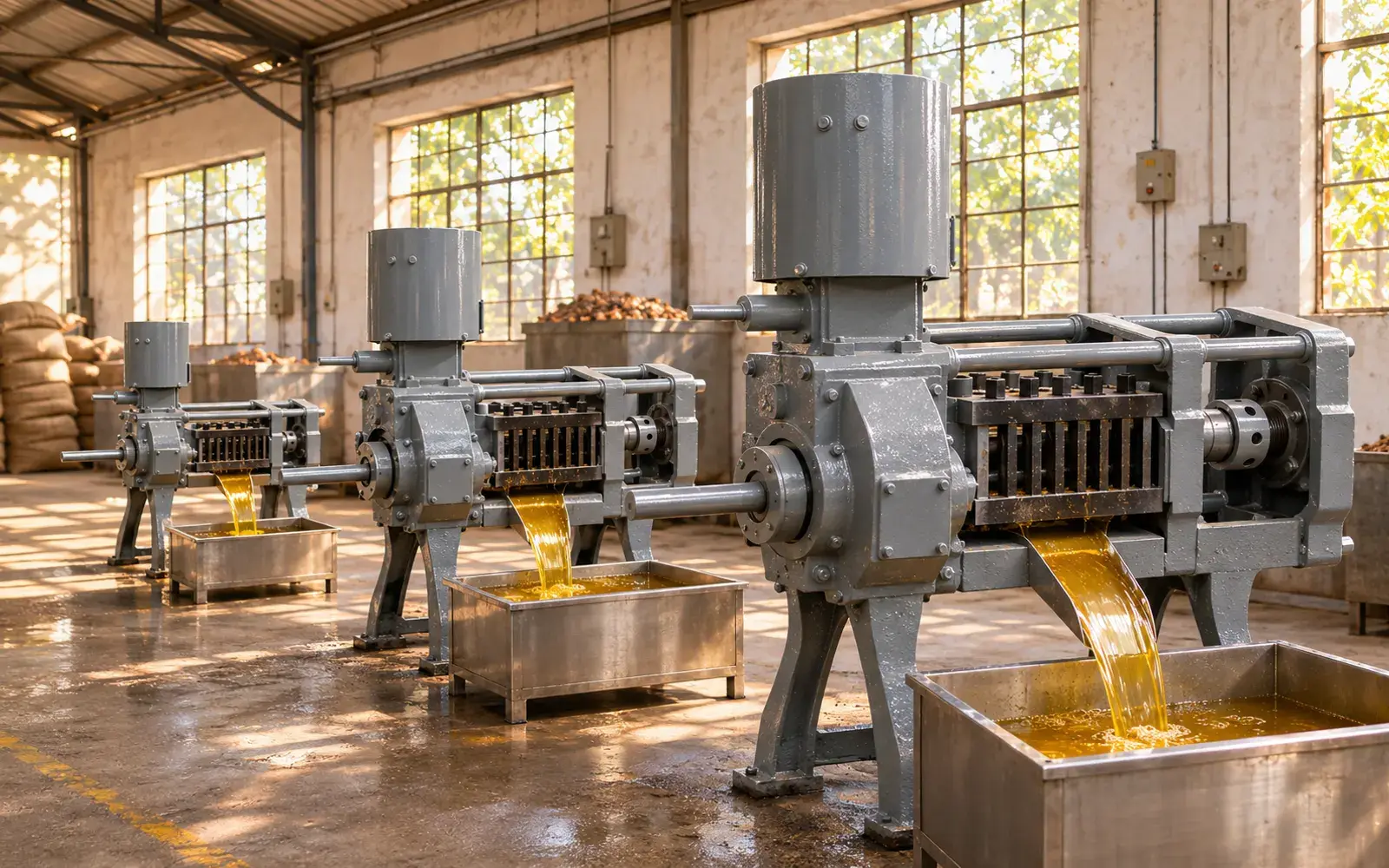
Buying an expeller that is too small slows your plant down. Buying one that is too large ties up capital and power you do not use. Getting capacity right is one of the most valuable decisions you make when setting up or expanding an oil mill.
This guide walks through a simple way to estimate the capacity you need.
Start with Your Daily Seed Volume
Capacity is usually discussed in kilograms of seed per hour. Begin with the amount of seed you expect to press in a day, then divide it by the hours you will realistically run.
For example, if you plan to press 1,000 kg of seed in an eight-hour shift, you need roughly 125 kg per hour of pressing capacity. Allow some margin on top of this for cleaning, breaks and changeovers.
| Seed per Day | 8-Hour Shift | 12 Hours | 16 Hours |
|---|---|---|---|
| 500 kg | about 63 kg/hour | about 42 kg/hour | about 31 kg/hour |
| 1 tonne | about 125 kg/hour | about 83 kg/hour | about 63 kg/hour |
| 2 tonnes | about 250 kg/hour | about 167 kg/hour | about 125 kg/hour |
| 5 tonnes | about 625 kg/hour | about 417 kg/hour | about 313 kg/hour |
To skip the arithmetic, the Expeller Finder asks for your seed, daily volume and hours, and suggests setups from the Varsha range.
Account for Your Seed Type
Different seeds press at different rates. Soft, oil-rich seeds often move through a press faster than hard or fibrous seeds. If you process more than one seed, plan around the slowest one you handle regularly, not the fastest.
Oil content matters for your output too. Typical ranges are around 40–50% for groundnut kernels, roughly 35–45% for mustard and sunflower, around 50% or more for sesame, and much lower, about 15–25%, for cottonseed. A simple estimate of oil output is seed weight × oil content × press recovery, and a well-set mechanical expeller typically recovers around 80–90% of the oil in the seed.
Plan for Growth
Many successful mills start small and grow. When choosing capacity, think about:
- Expected growth in demand over the next two to three years
- Whether you would rather add a second machine later or buy larger now
- Floor space, power supply and foundation for future expansion
Two smaller machines can give flexibility, because one keeps running while the other is serviced. A single larger machine can be more efficient on space and labour.
Match the Rest of the Plant
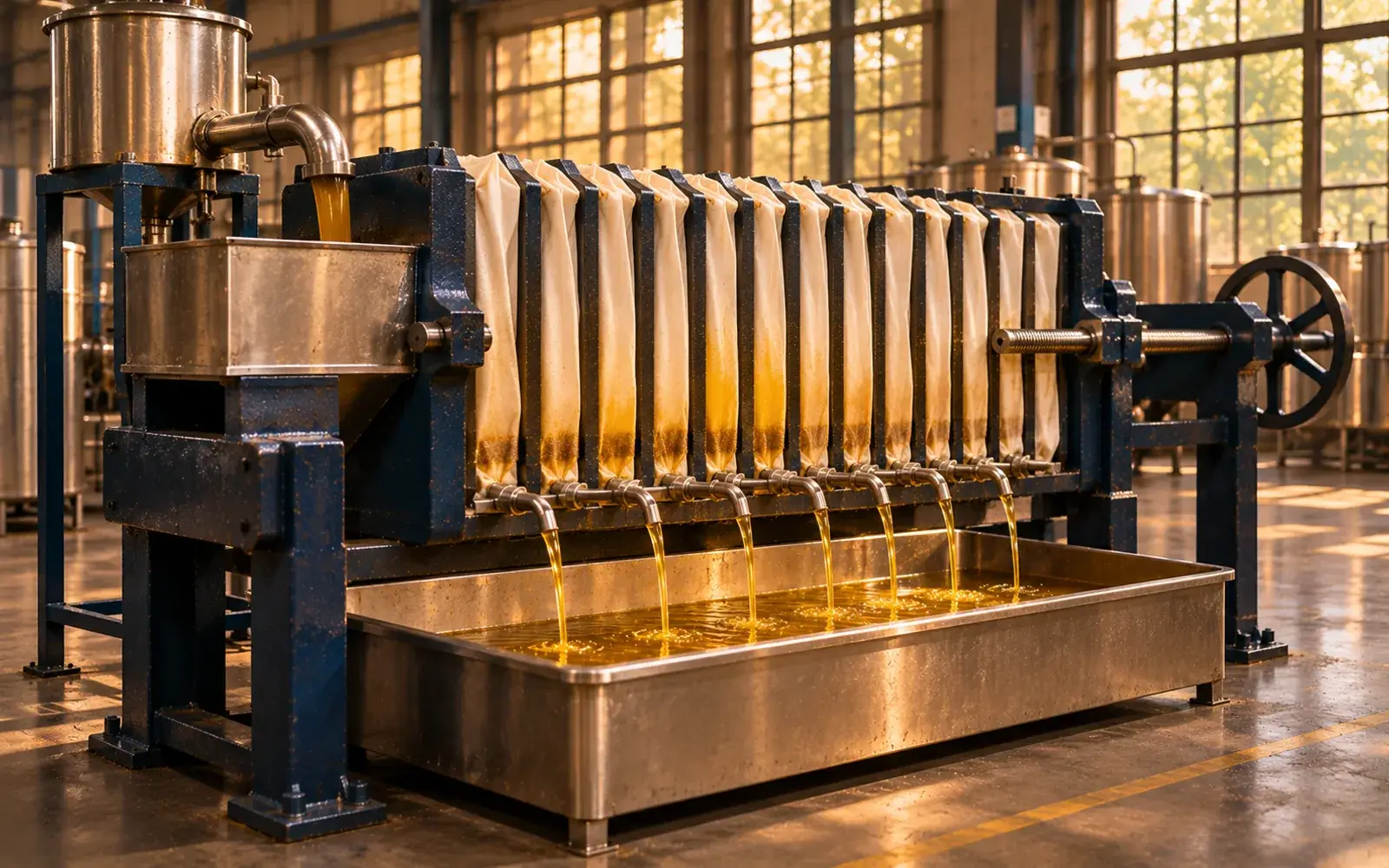
Your expeller is only one part of the line. Make sure your seed cleaning, conditioning, filtration and storage can keep pace with the oil it produces. A filter press that is too small will become the bottleneck, however good the expeller is.
Check the Power Supply
Higher-capacity expellers need more motor power. Confirm that your connection and wiring can support the motor you plan to run, along with the other machines on the line.
A Quick Checklist
- Daily seed volume and working hours
- Main seed types and how hard they press
- Growth expected over the next few years
- Space, power and foundation available
- Filtration and storage capacity downstream
Get a Recommendation
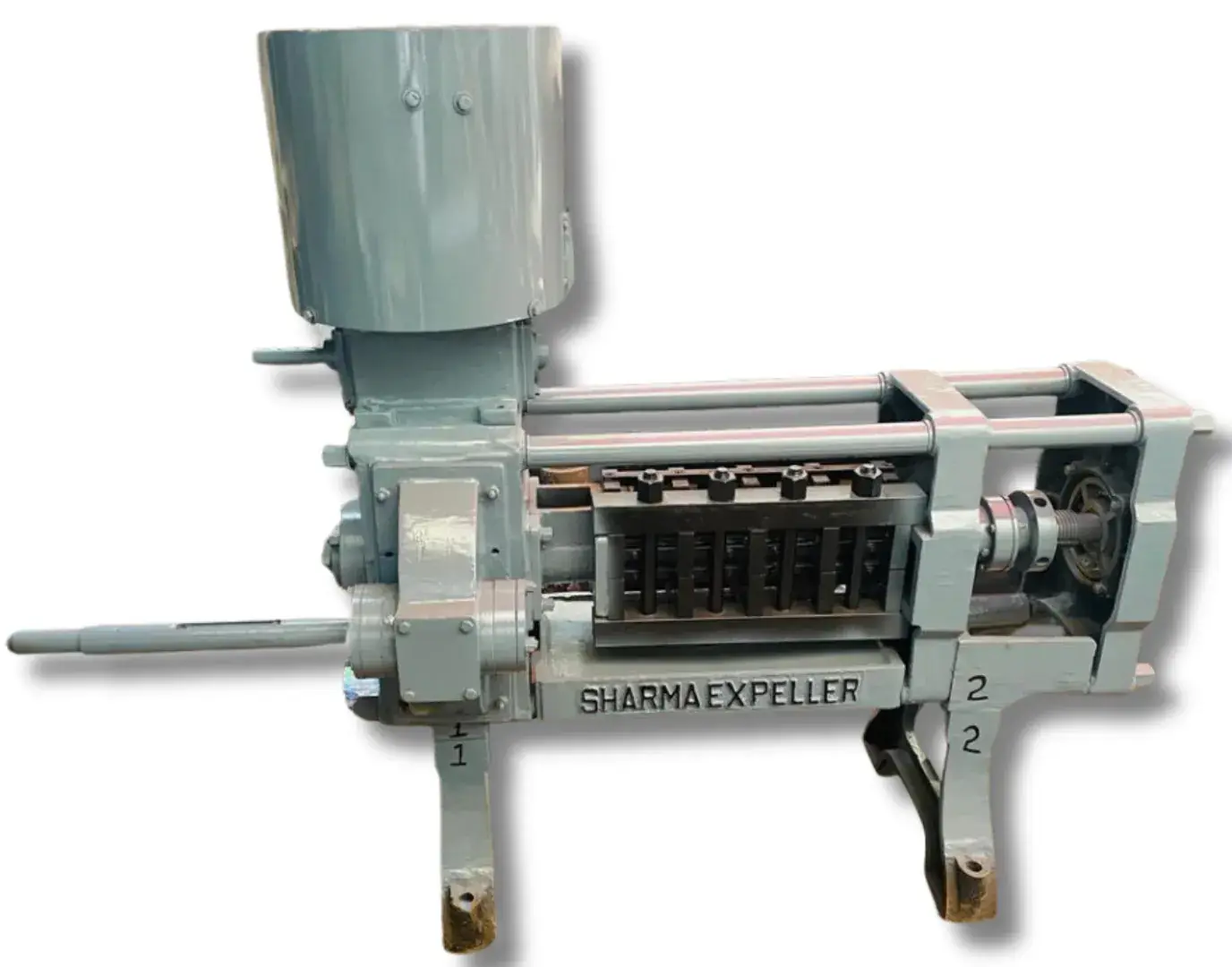
Varsha expellers range from compact 4-bolt models to 9-bolt machines for large plants. Share your daily volume, seed type and power supply with our team, and we will suggest the models that fit, with their specifications side by side.
Figures in this guide are typical ranges drawn from agricultural research and extension guidance. Actual results vary with seed variety, preparation and machine settings.
Back to All Insights