Oil Processing
Getting More Oil from Mustard Seed: Practical Tips for Mills
3 min read
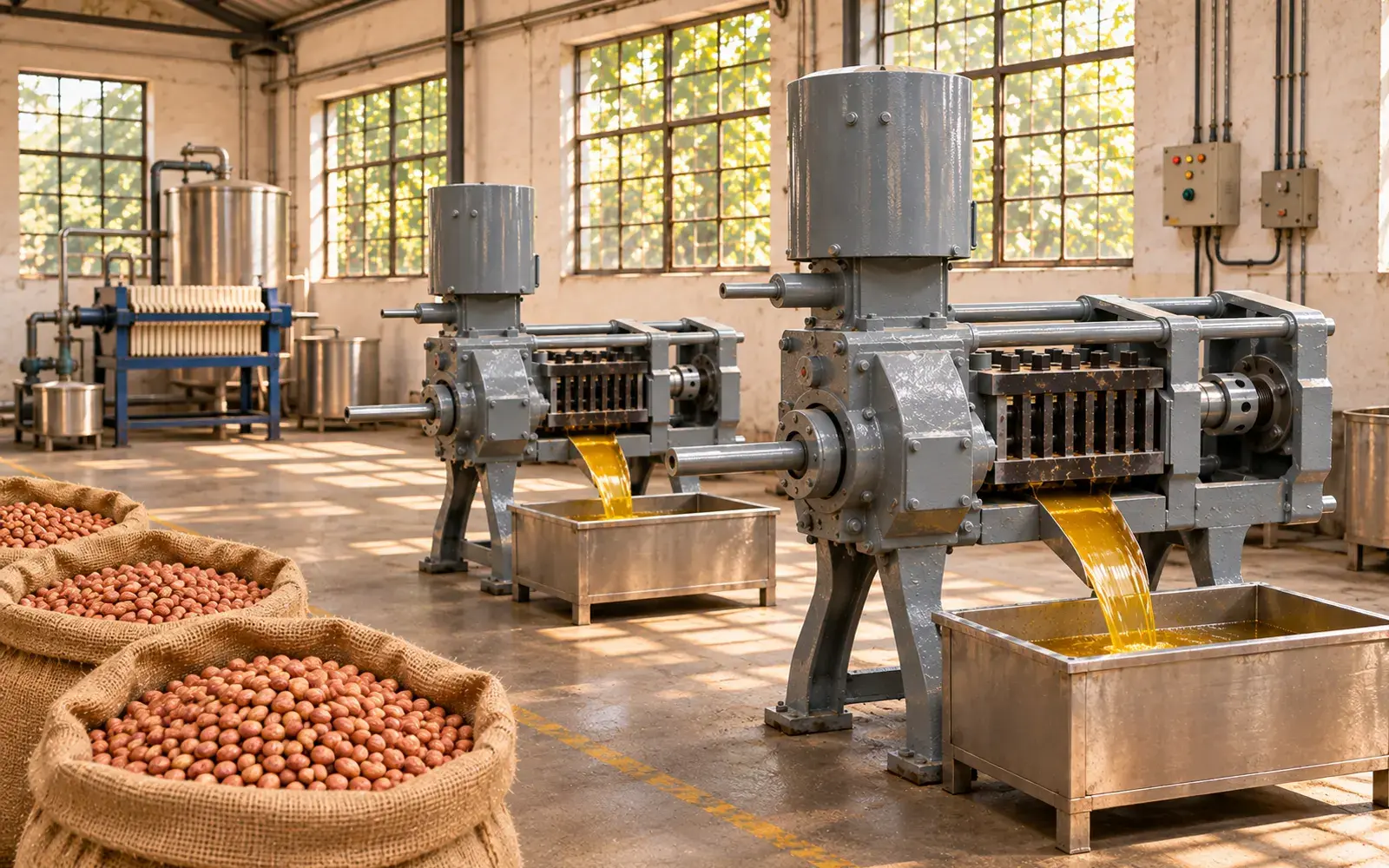
Mustard oil is one of India's most widely used cooking oils, and mustard seed is pressed in mills of every size across the country. Small improvements in how the seed is prepared and pressed can add up to a meaningful increase in oil recovery over a season.
Here are practical ways to get more from every kilogram of mustard seed.
Know What's in the Seed
Mustard and rapeseed typically carry around 35–45% oil, depending on variety and growing season. That is the ceiling for your recovery. A well-set mechanical expeller usually recovers around 80–90% of it, leaving the rest in the cake. If your recovery falls well below that, the cause is usually seed quality, moisture or press setup.
Start with Good Seed
Clean, mature, well-dried seed presses better and gives better oil. Buy from reliable suppliers, check samples for moisture and foreign matter, and store seed in a dry, ventilated place away from pests. Storage guides for rapeseed recommend keeping seed below about 7–7.5% moisture and below 25°C. Damp seed heats up, grows mould and its free fatty acids rise, which shows up as poorer oil.
Clean the Seed Thoroughly
Mustard seed is small, which makes it easy for dust, stones and husk to hide in a batch. Proper cleaning protects your machine and improves oil quality. Sieving and destoning before pressing are worth the time.
Get the Moisture Right
Seed that is too wet produces a soft cake and leaves more oil behind. Seed that is too dry can be hard to press and may raise temperature in the cage. Published guidance puts the best pressing moisture for rapeseed and mustard at around 6–8%. Aim for consistent moisture across each batch so the press runs steadily.
Set Up the Expeller for Mustard
- Feed evenly. A steady feed keeps pressure constant.
- Adjust the cake thickness at the outlet until the cake looks dry and firm.
- Watch the temperature. Too much heat affects the sharp flavour and colour that mustard oil buyers expect.
That sharp pungency comes from allyl isothiocyanate. If you sell kachi ghani mustard oil, FSSAI rules require its content to be in the range of 0.25–0.60%. Gentle pressing that does not overheat the seed helps keep it there.
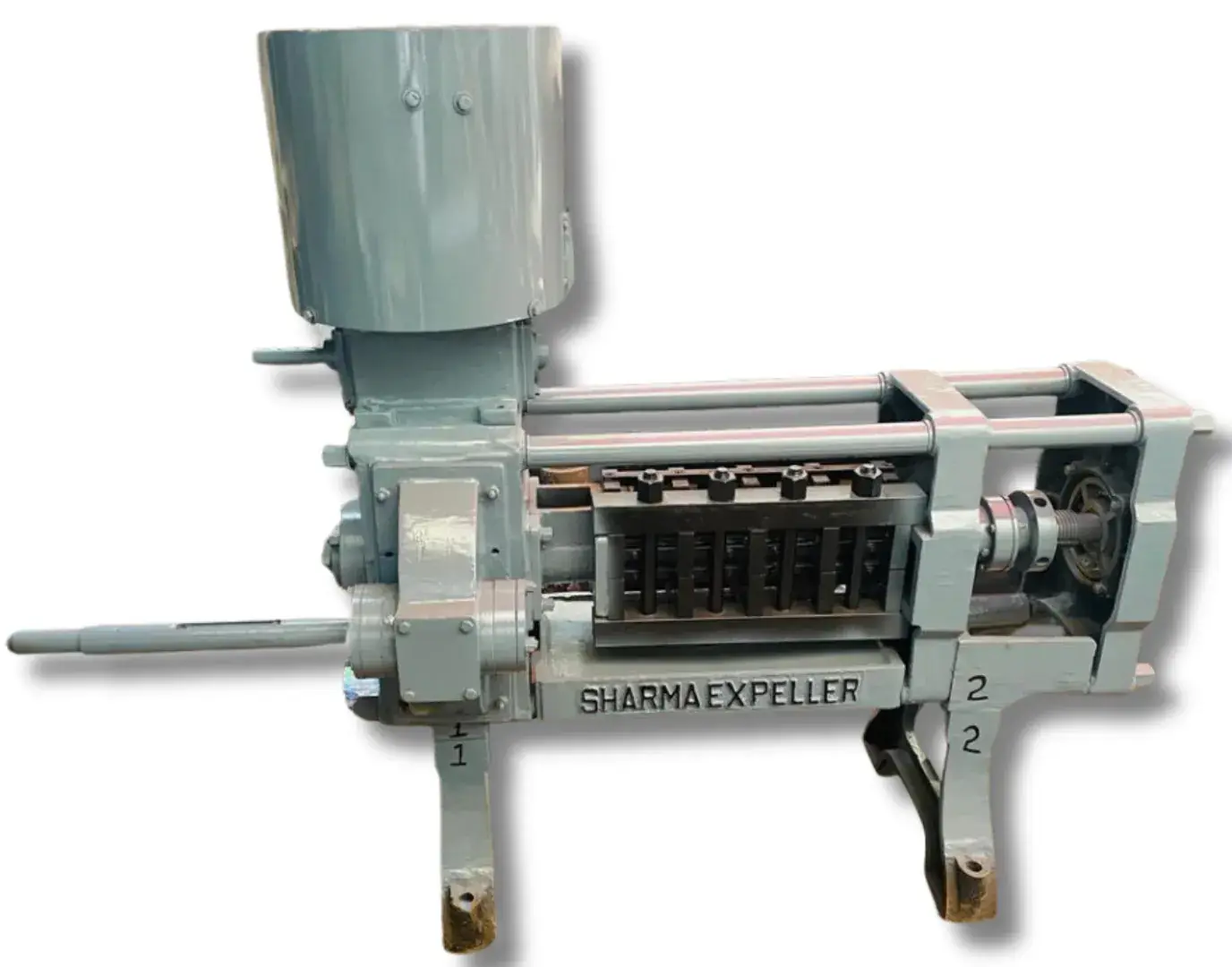
A well-matched expeller makes these adjustments easier. Many mills pressing mustard choose 4-bolt or 6-bolt single gear machines for their simplicity and steady output.
Filter for Clarity
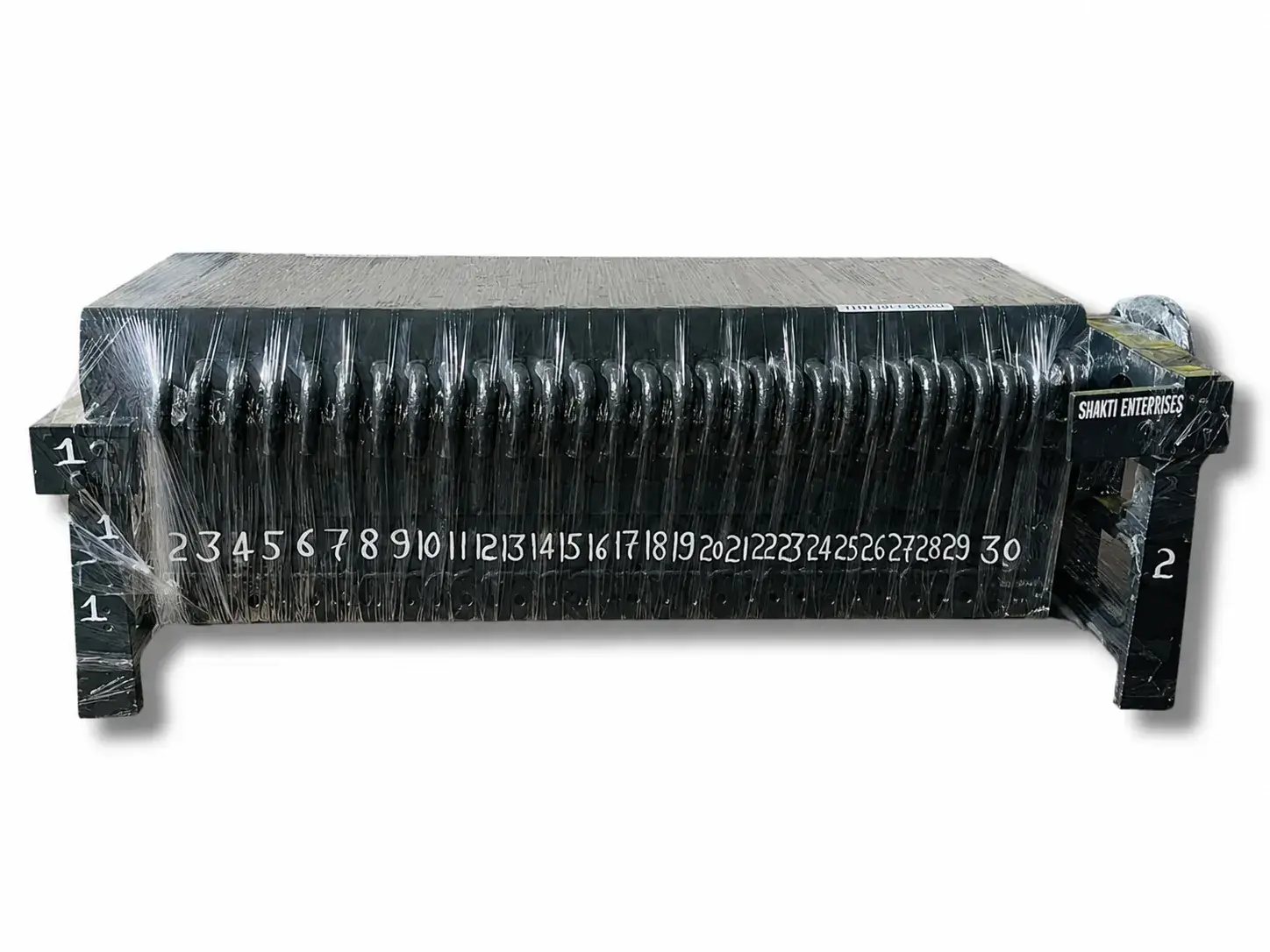
Freshly pressed mustard oil carries fine particles. A filter press with suitable cotton filter cloth gives clear oil that keeps well and looks good in the bottle.
Track Your Recovery
Weigh the seed in and the oil out for each batch. Tracking recovery over time shows quickly when something changes, whether it is the seed, the settings or wear on the press. For example, 1,000 kg of mustard seed at 38% oil, pressed at 85% recovery, should give roughly 320 kg of oil. If you are consistently getting much less, it is time to look at the seed and the machine.
Need Advice?
Varsha has supplied oil processing machinery for more than six decades. Tell us about your mustard volumes and current setup, and we will help you find improvements.
Figures in this guide are typical ranges drawn from agricultural research and extension guidance. Actual results vary with seed variety, preparation and machine settings.
Back to All Insights