Oil Processing
Setting Up a Groundnut Oil Mill: Machines, Layout and Workflow
4 min read
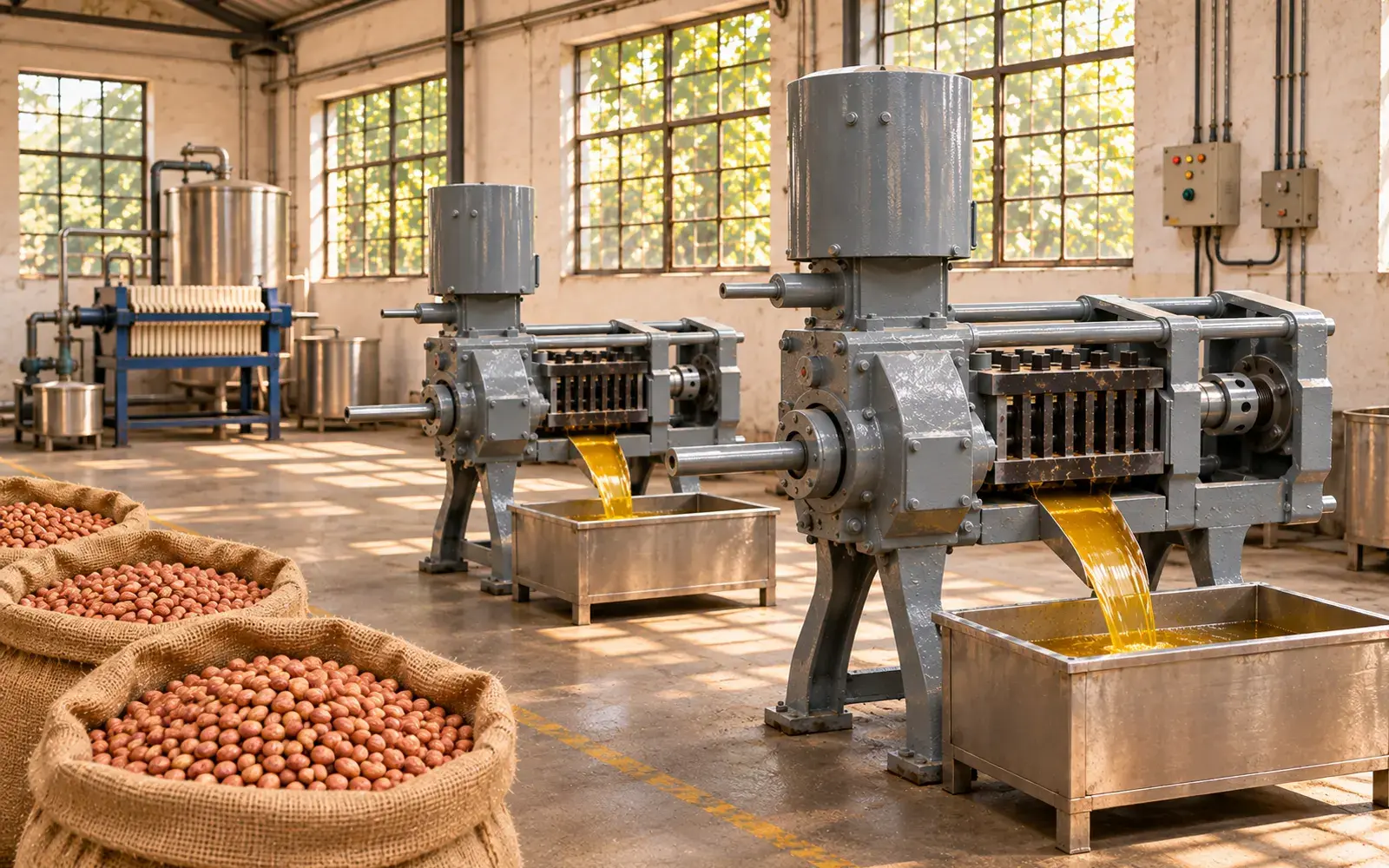
Groundnut oil remains a favourite in kitchens across India, and a well-planned groundnut oil mill can serve local households, shops and brands alike. Planning the machinery and layout before you start saves money and avoids bottlenecks later.
This guide covers the main stages and the machines you need for each.
Before You Start: Registration
Every edible oil business in India needs FSSAI registration or a licence before it starts selling. Which one you need depends on your annual turnover, and the thresholds have been revised in recent years, so check the current slabs on the FSSAI FoSCoS portal or with your state food safety office. Local factory, electricity and pollution-control approvals may also apply.
1. Receiving and Storing Seed
Groundnut kernels typically contain around 40–50% oil, so quality seed is your biggest lever on profit. Kernels should arrive clean, dry and free from mould. Store them in a dry, ventilated area, raised off the floor, and use older stock first. Research on stored groundnut shows mould and free fatty acids rise as moisture and storage time increase, so aim to keep kernels at or below about 7–8% moisture. Good storage protects both oil quality and your machines.
If you buy pods rather than kernels, you will also need a decorticator to shell them. Moisture affects shelling too: very wet pods damage more kernels, and damaged kernels are more prone to mould.
2. Cleaning
Before pressing, remove stones, dust, shells and broken pieces. Cleaning protects the expeller's worm shaft and cage bars and gives cleaner oil. A simple sieving and destoning step is worth including from day one.
3. Pressing
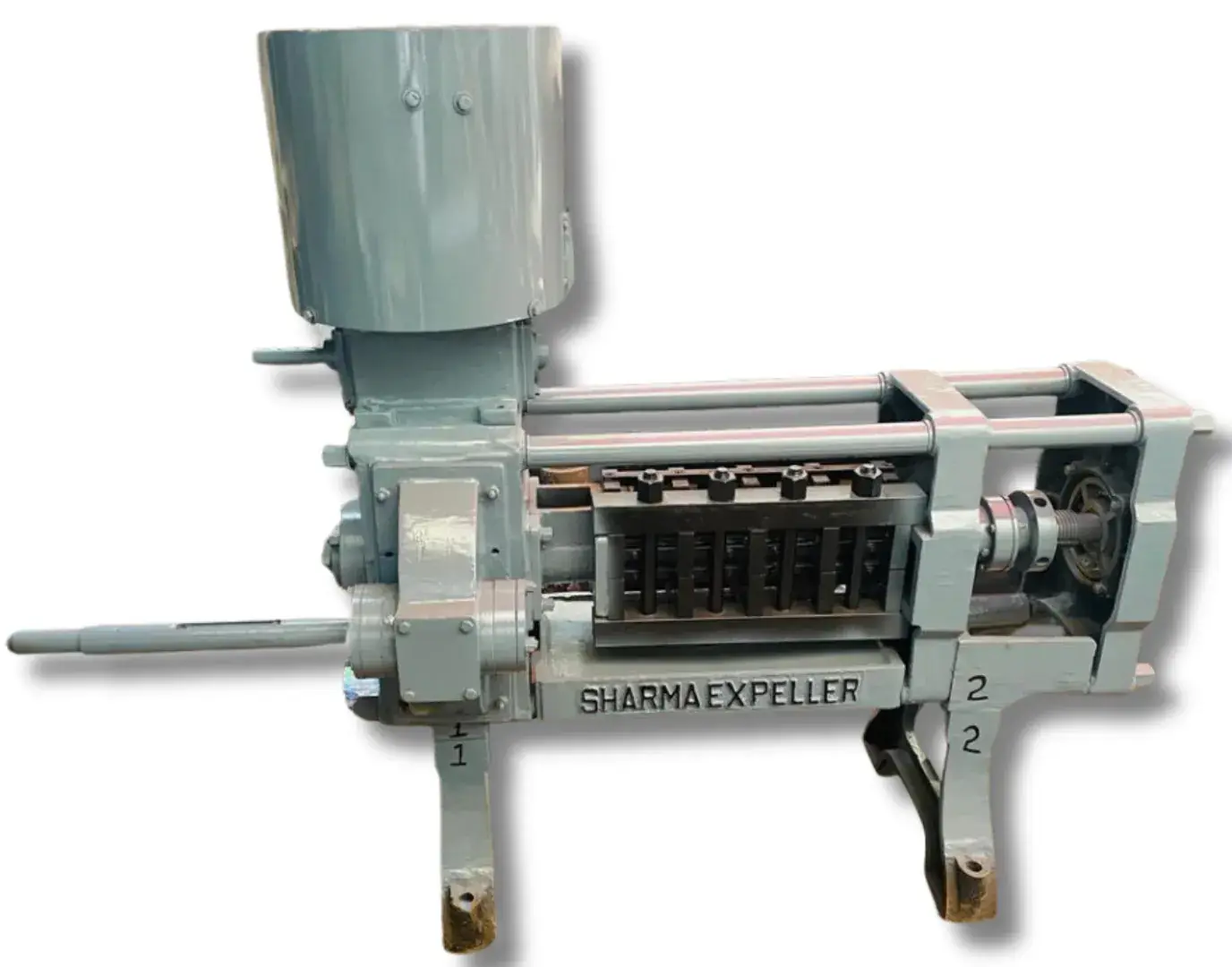
The oil expeller is the heart of the mill. For groundnut, many small and medium mills start with 4-bolt or 6-bolt single gear expellers, which press groundnut efficiently and are easy to maintain. Larger plants step up to 9-bolt machines for higher continuous output.
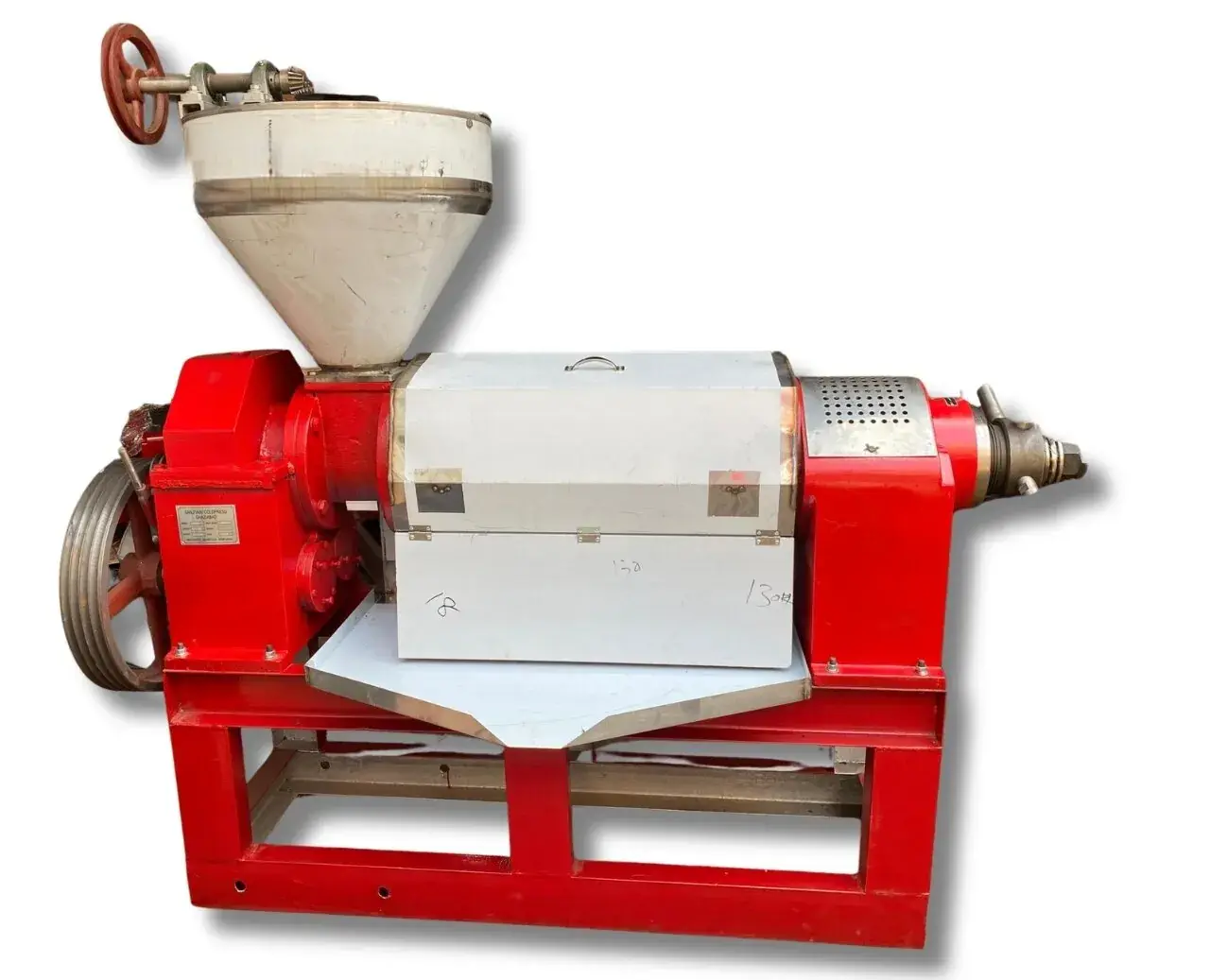
If you also want to sell premium cold pressed groundnut oil, add a screw press or cold press machine alongside.
4. Filtration
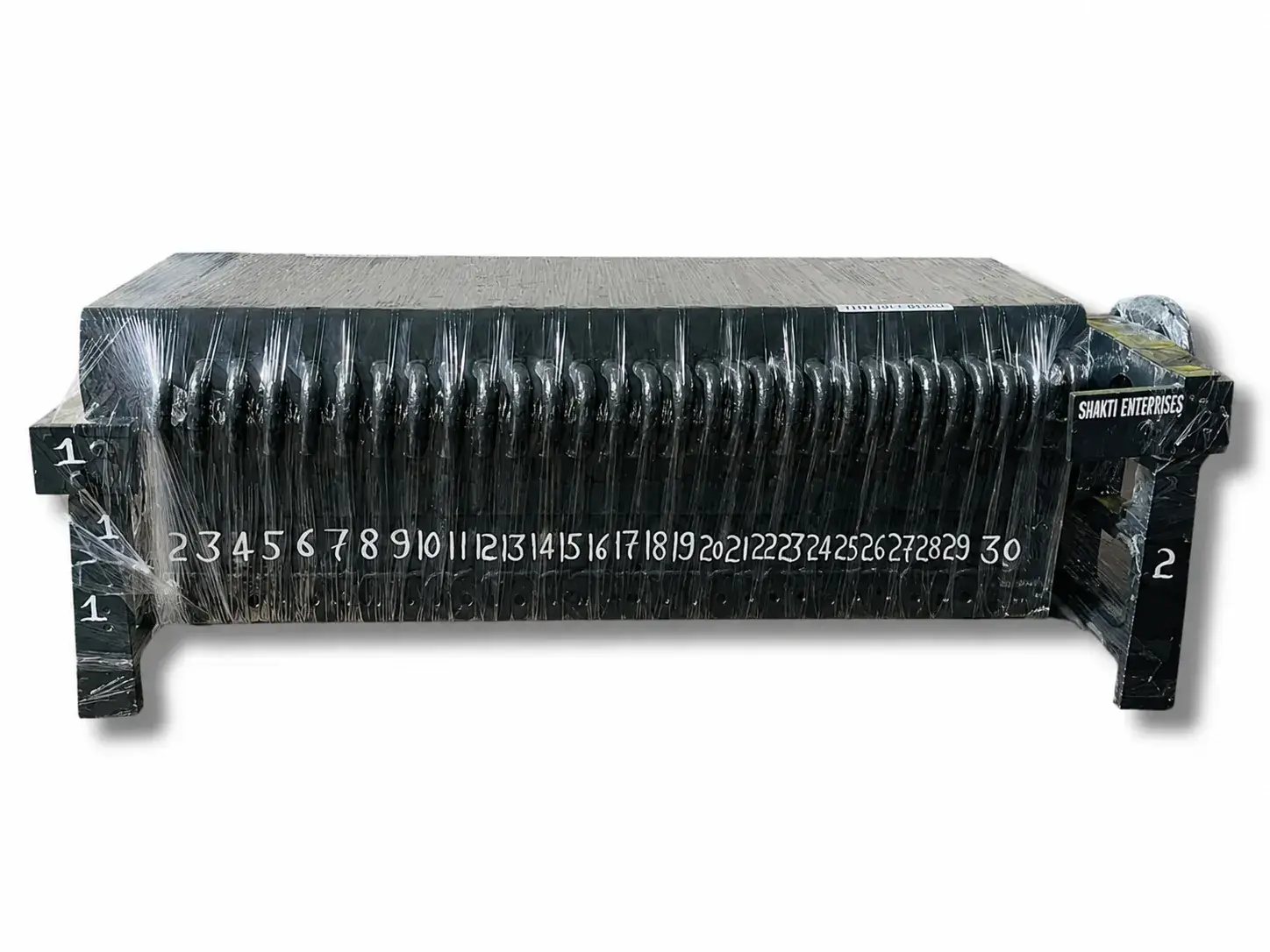
Freshly pressed oil contains fine particles. A plate-and-frame filter press with cotton filter cloth gives clear, bright groundnut oil that keeps well. Size the press to match your expeller output.
5. Storage and Packing
Store filtered oil in clean, covered tanks away from heat and light, then pack in bottles, jars or tins. Clean, hygienic packing builds customer trust.
Planning the Layout
- Keep a straight flow from seed storage to cleaning, pressing, filtration and packing.
- Leave room around each machine for maintenance.
- Plan the power supply for all motors running together.
- Reserve space for a second expeller as the business grows.
Using the Oil Cake
Groundnut cake is valued as cattle feed, with protein typically around 40–50%, so plan space to collect, bag and store it. Keep it dry: damp groundnut cake can grow mould that produces aflatoxins, which makes it unsafe for animals. Handled well, it is an extra source of income from every batch.
What Yield to Expect
A rough way to estimate oil output is seed weight × oil content × press recovery. For example, 1,000 kg of kernels at about 45% oil, pressed by an expeller that recovers around 80–85% of that oil, gives roughly 360–380 kg of oil, with the rest leaving as cake. Your real figure depends on seed quality, moisture and machine setup, which is why it pays to track every batch.
Start with the Right Machines
Varsha supplies the complete line for a groundnut oil mill: oil expellers, screw press and cold press machines, filter presses, filter cloth and genuine spare parts. Share your planned daily capacity and we will help you put the right setup together.
Figures in this guide are typical ranges drawn from agricultural research and extension guidance. Actual results vary with seed variety, preparation and machine settings.
Back to All Insights