Rural Economy
Oil Cake: Turning a By-Product into Extra Revenue
3 min read
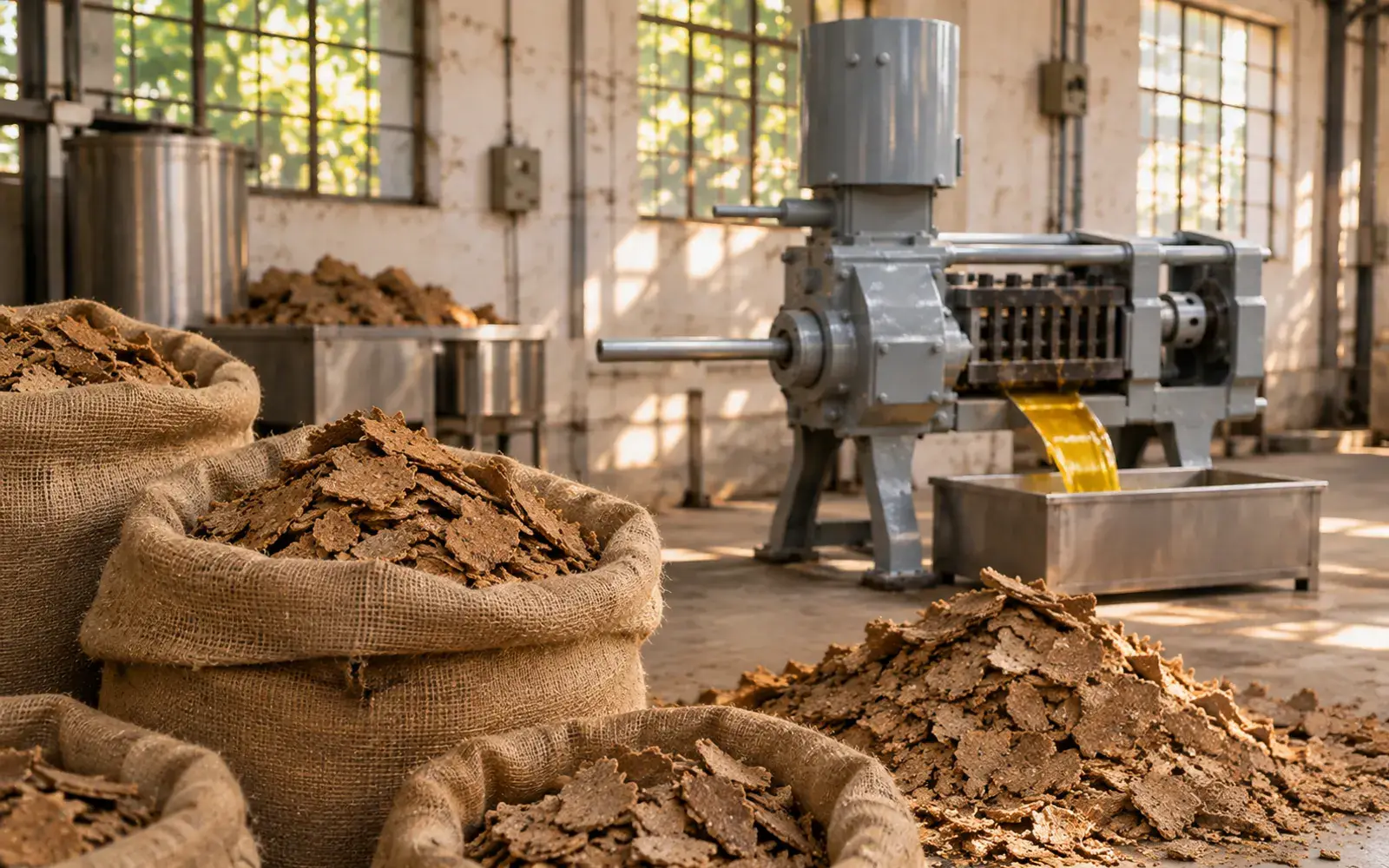
Every kilogram of seed that goes into an expeller comes out as two products: oil and oil cake. Many mills focus only on the oil, but the cake can add a steady second income when it is handled well.
What Oil Cake Is
Oil cake is the compressed seed material left after the oil has been pressed out. It still contains protein, fibre and a little oil, which makes it valuable for several uses.
A single pass through a mechanical expeller typically leaves around 6–12% oil in the cake, depending on the seed and how well the press is set up. Protein levels are what make cake valuable as feed:
| Cake | Typical Protein Content |
|---|---|
| Groundnut cake | about 40–50% |
| Mustard cake | around 35–40% or more |
Indian feed research has found mustard cake comparable to groundnut cake in energy value, with good protein quality, which is why both sell well to dairy and poultry farmers.
Where Oil Cake Is Used
- Cattle and poultry feed. Groundnut, cottonseed and mustard cake are widely used as protein-rich animal feed.
- Organic fertiliser. Some cakes, such as neem cake, are used to enrich soil.
- Further processing. Larger plants sell cake for solvent extraction to recover the remaining oil.
Why Press Quality Matters
The way you press affects the value of the cake as well as the oil.
- Well-pressed cake is firm and evenly dry, and it stores and transports well.
- Over-oily cake wastes oil you could have sold and can spoil faster in storage.
- Burnt or overheated cake loses value as feed.
- Damp cake can grow mould. Groundnut cake in particular must be kept dry, because mould on groundnut can produce aflatoxins, which make the cake unsafe for animals.
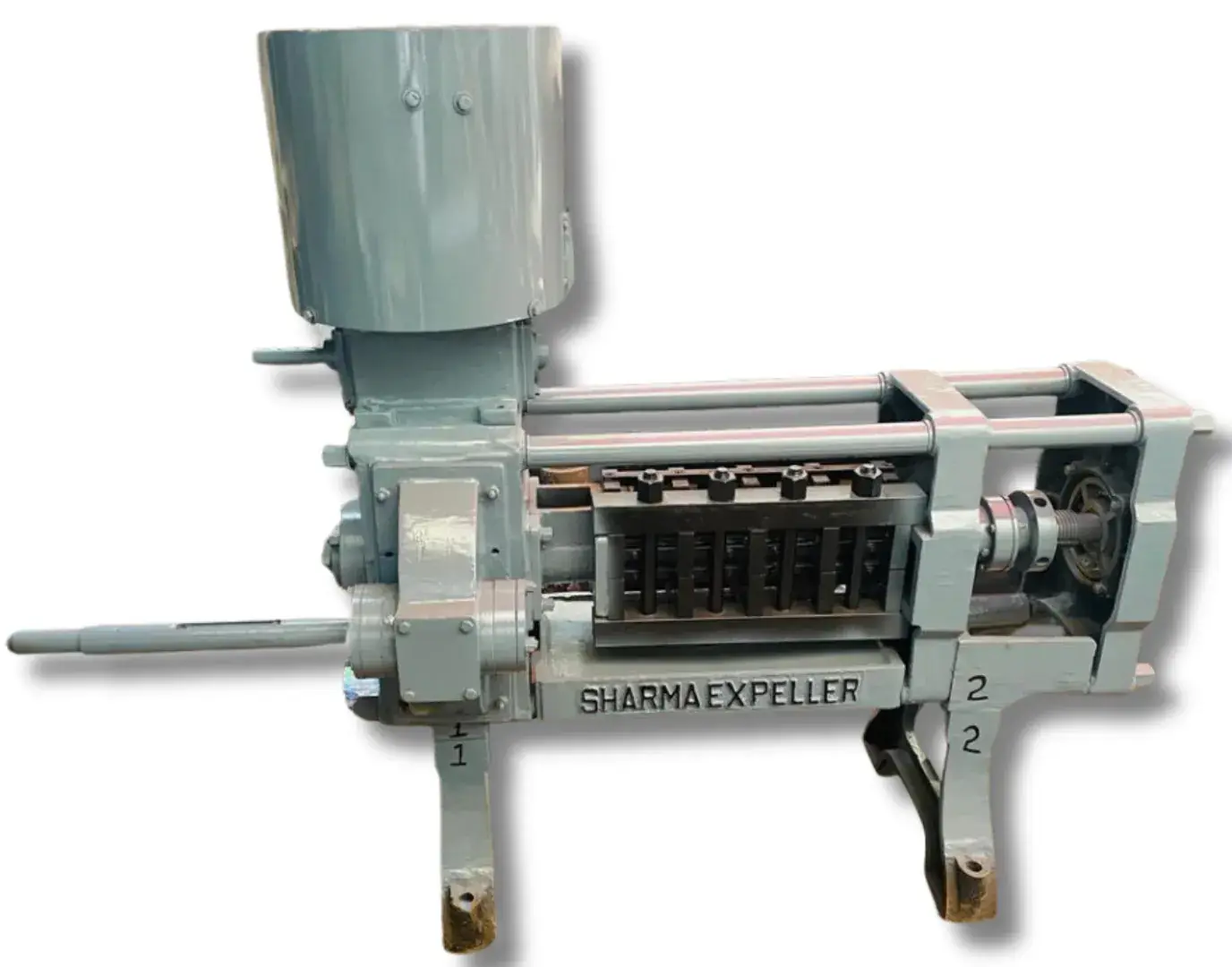
A well-maintained expeller, with good worm shafts and cage bars and the right settings for each seed, gives you better oil recovery and better cake at the same time.
Handling and Storing Cake
- Let cake cool before bagging.
- Store it in a dry, ventilated area off the floor.
- Keep different seed cakes separate.
- Sell regularly rather than holding large stocks for long periods.
- Keep a sample from each lot. Buyers increasingly ask about protein and oil content, and a simple lab test helps you price your cake fairly.
Building Local Demand
Talk to dairy farmers, feed suppliers and agricultural shops near your mill. A reliable local buyer for your cake makes every batch more profitable and supports the rural economy around you.
Get the Most from Every Batch
Varsha oil expellers are built to give consistent pressure and dependable recovery across groundnut, mustard, cottonseed, sesame and more. Ask our team how to set up your press for the best balance of oil and cake.
Figures in this guide are typical ranges drawn from agricultural research and extension guidance. Actual results vary with seed variety, preparation and machine settings.
Back to All Insights