Machine Maintenance
Practical Ways to Reduce Power Costs in Your Oil Mill
3 min read
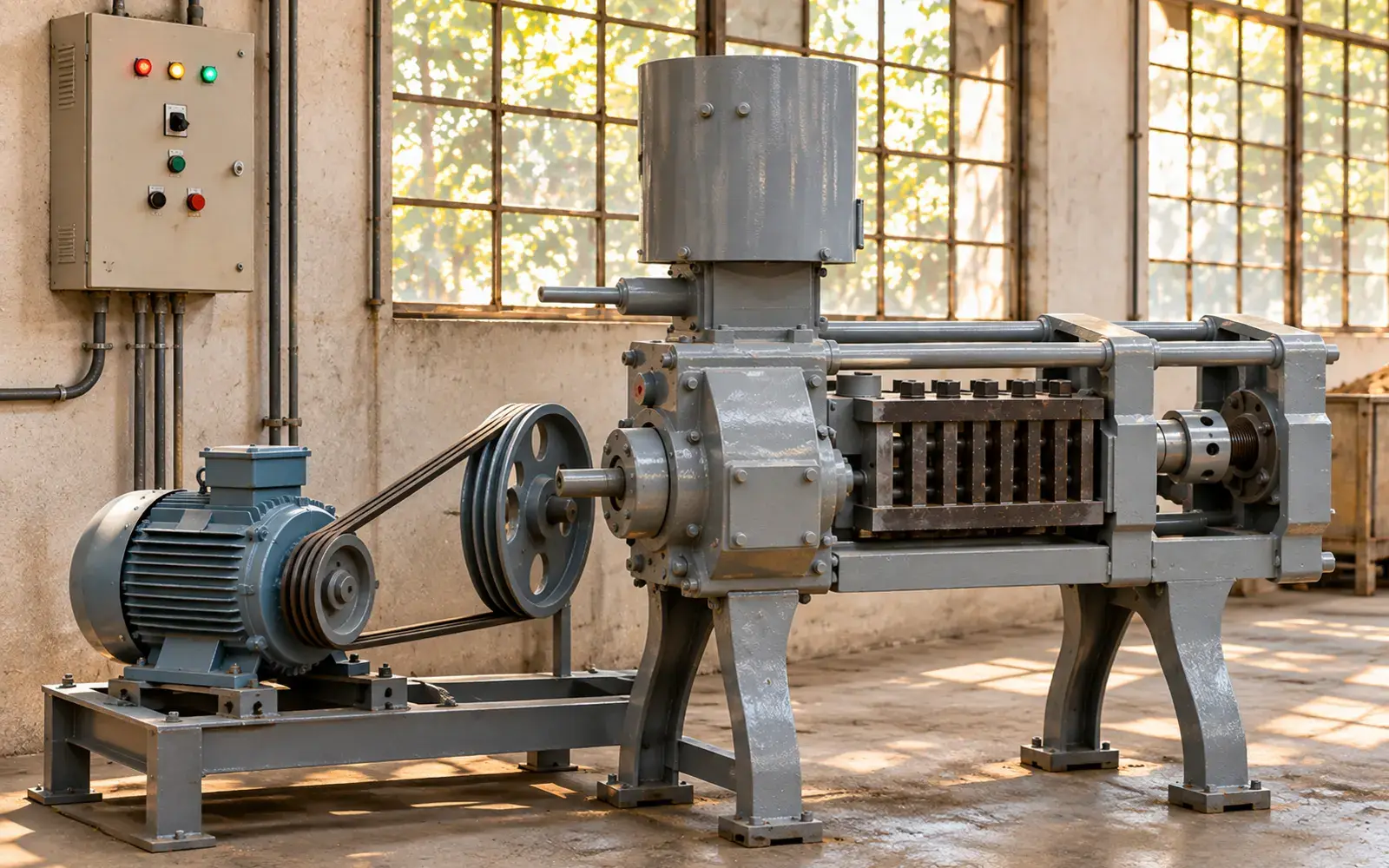
Electricity is one of the largest running costs in an oil mill. Expellers, filter press pumps and conveyors run for long hours, and small inefficiencies add up quickly on the monthly bill.
The good news is that many savings come from simple habits and good maintenance.
Match the Machine to the Job
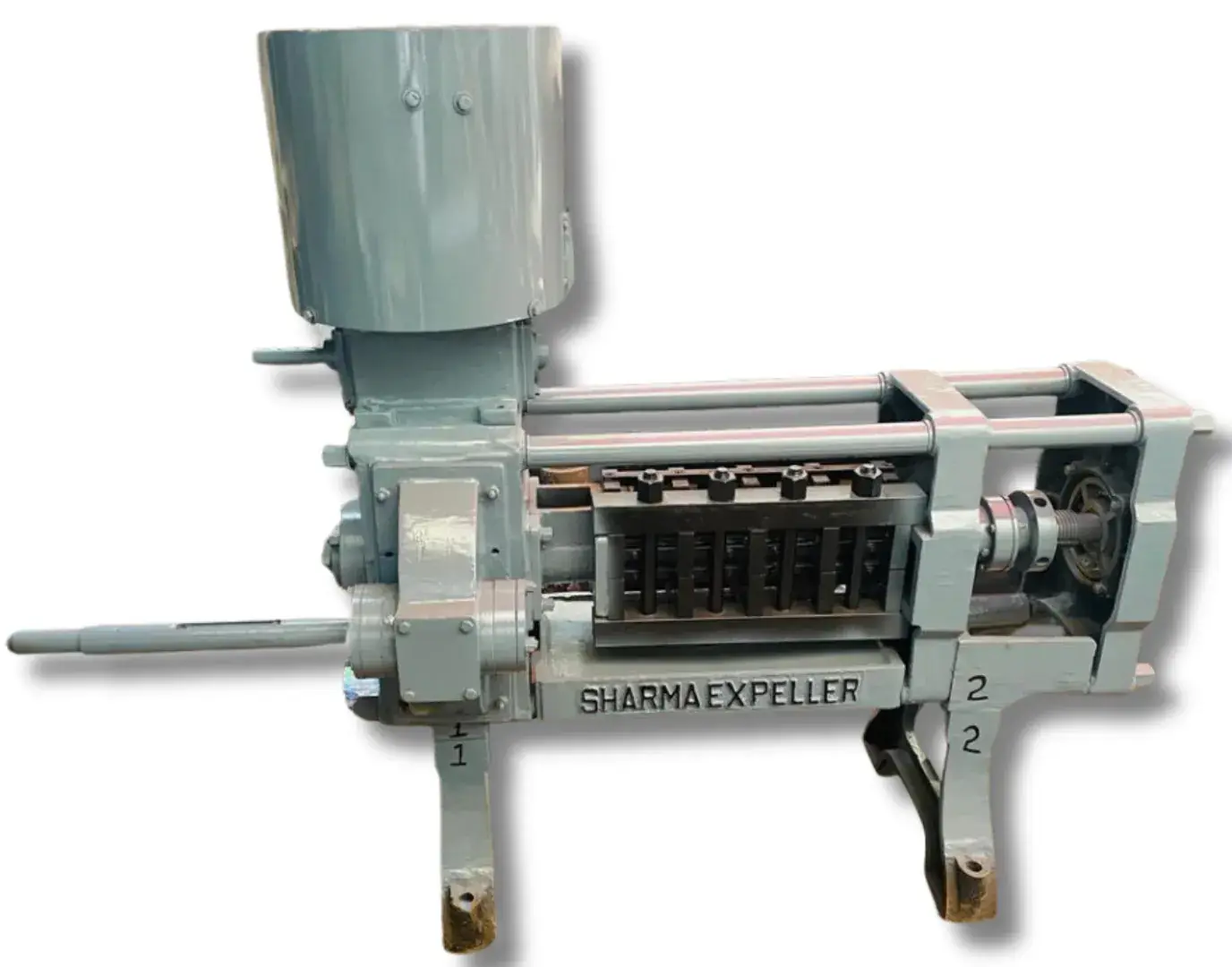
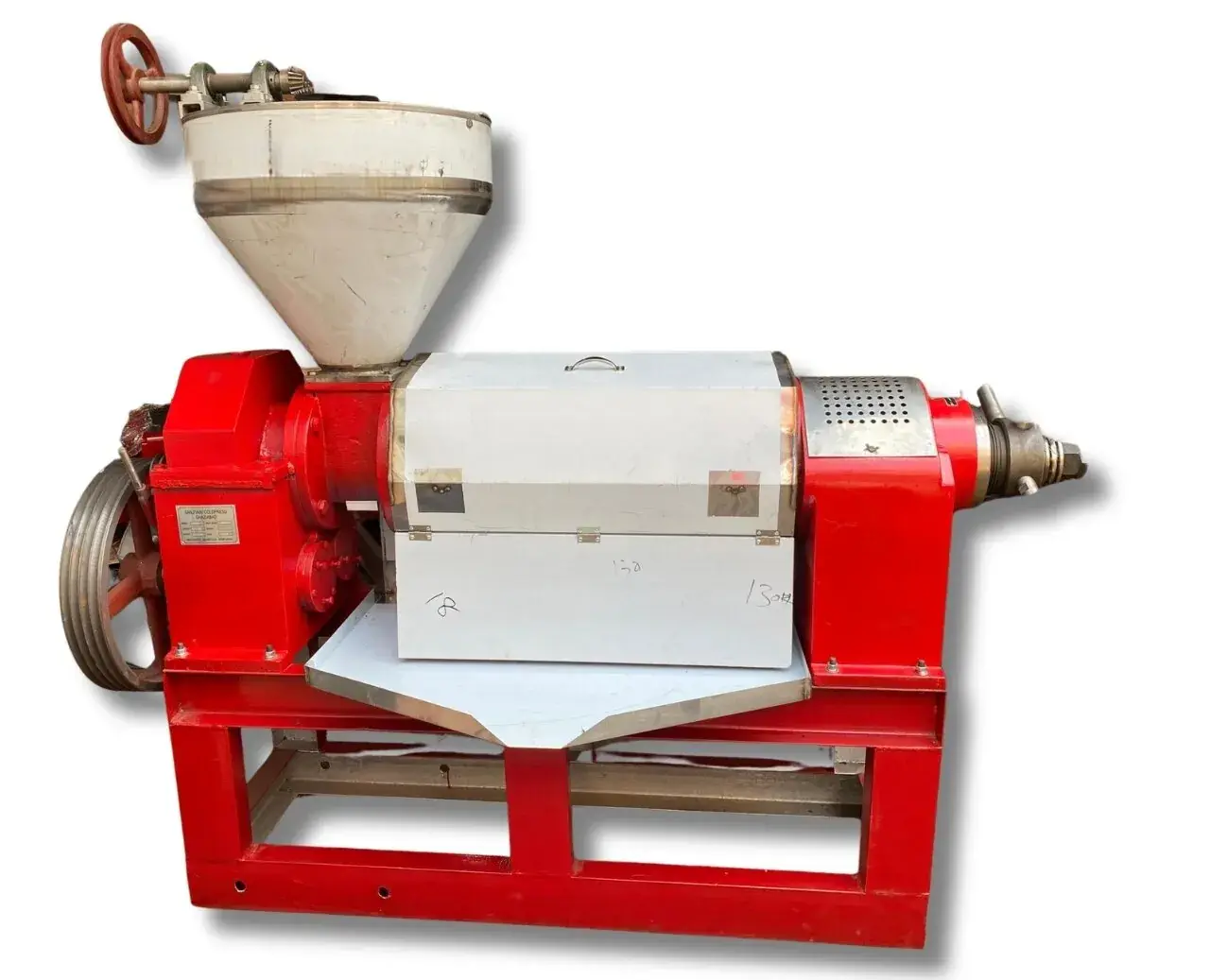
An expeller that is much larger than your actual output wastes power, while one that is too small runs overloaded. Choose capacity and motor power to match your real daily volume, and add a second machine as demand grows rather than oversizing at the start.
Keep the Press in Good Condition
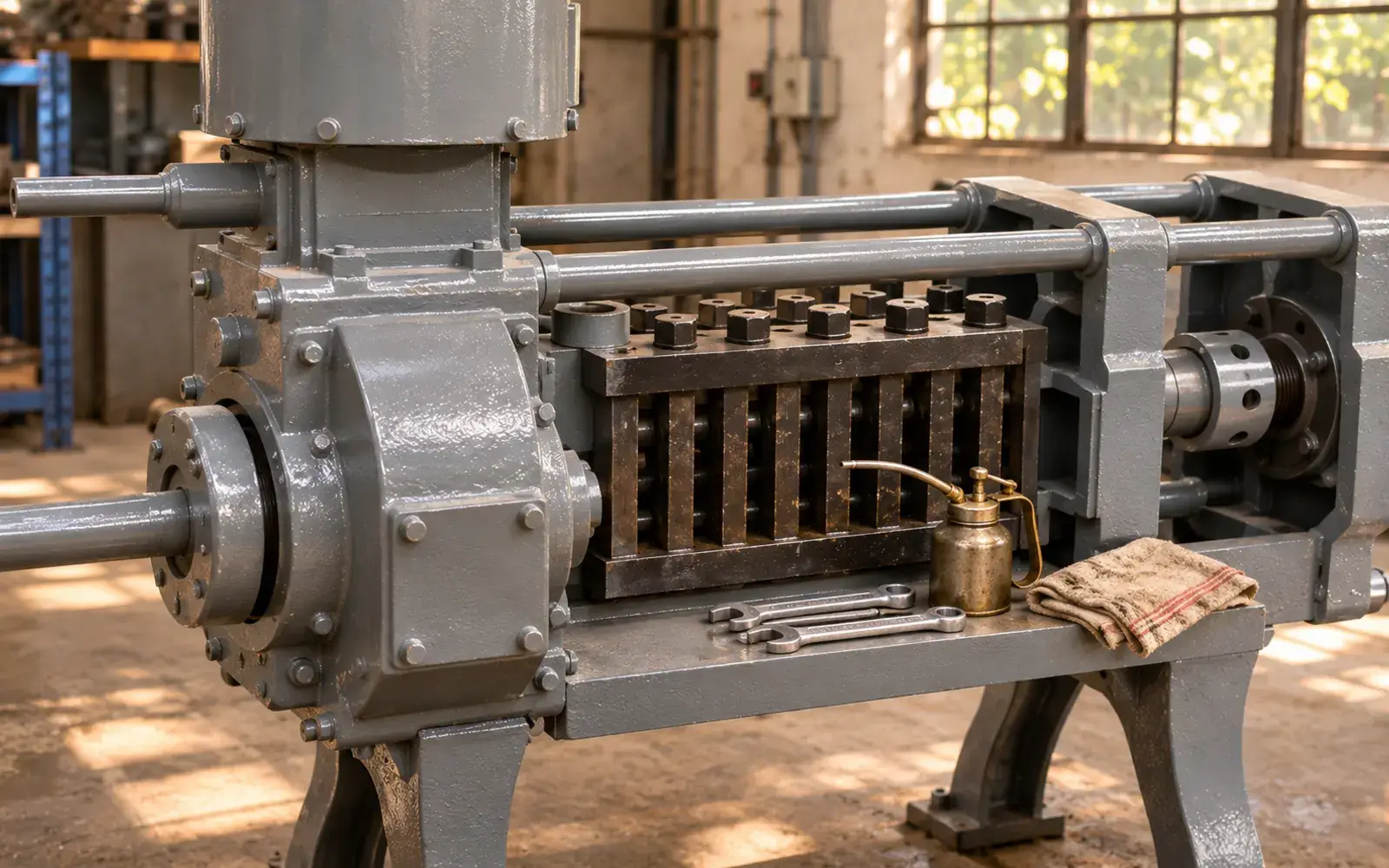
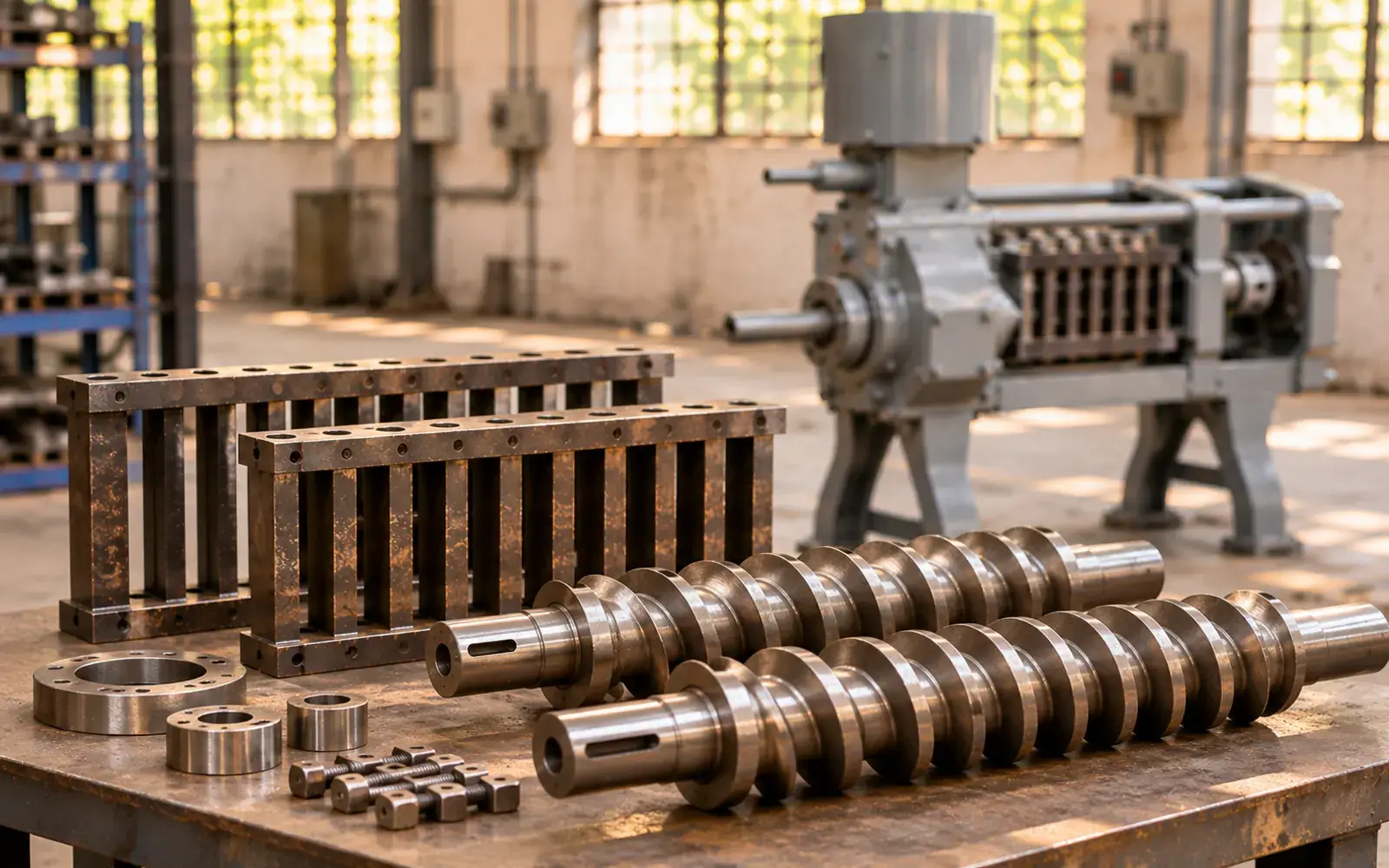
A worn worm shaft or cage bars force the machine to work harder for the same oil. Replacing worn parts on time restores pressure and reduces the power used per kilogram of oil.
Look After Belts, Bearings and Gears
- Keep belts at the right tension; slipping belts waste energy.
- Lubricate bearings and gearboxes on schedule.
- Check alignment between motor, pulley and gearbox.
Each of these reduces friction and heat, which means less wasted power.
Feed the Press Evenly
Running an expeller empty or in stops and starts wastes energy. A steady, even feed keeps the motor working at a stable load and improves output.
Clean Seed Saves Power Too
Sand and stones in the seed increase friction and wear. Cleaning seed properly before pressing lowers both power use and maintenance costs.
Choose Efficient Motors
Motors are rated in efficiency classes from IE1 upwards. India's minimum standard for new low-voltage motors has been IE2 since 2018, but higher classes waste noticeably less: motor makers report that an IE3 motor has roughly 20% lower losses than an IE2 motor of the same size. On an expeller that runs ten or more hours a day, that difference shows up on every bill. When a motor needs replacing, compare the efficiency class as well as the price.
Watch Your Power Factor
Induction motors draw reactive power, which lowers the power factor of your connection. Many electricity distribution companies in India charge industrial consumers a penalty when the average power factor falls below a set level, often around 0.9, and some reward a high power factor. A correctly sized capacitor bank, checked regularly, keeps power factor up. Avoid over-correcting, as a leading power factor can also attract charges. Your DISCOM's current tariff order sets the exact rules for your connection.
Check Your Electrical Setup
- Use correctly rated cables and switchgear.
- Keep motors clean and well ventilated.
- Have an electrician check the supply, connections and capacitors regularly.
Track Your Energy Use
Note your meter readings alongside daily output. Working out the power used per kilogram of oil (or per tonne of seed) makes it easy to see when something has changed. A steady rise usually points to worn parts, poor feed or a motor or electrical problem, often before you notice it any other way.
Machines Built for Long Hours
Varsha expellers, screw presses and filter presses are built for continuous, dependable operation, and every machine is tested before dispatch. Talk to our team about the right machine size for your plant and power supply.
Figures in this guide are typical ranges drawn from agricultural research and extension guidance. Actual results vary with seed variety, preparation and machine settings.
Back to All Insights